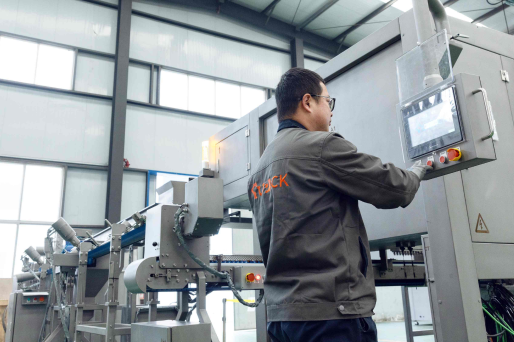
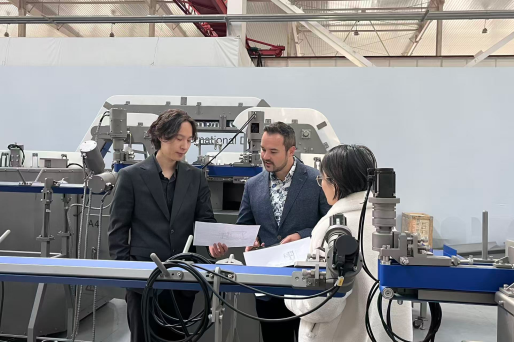
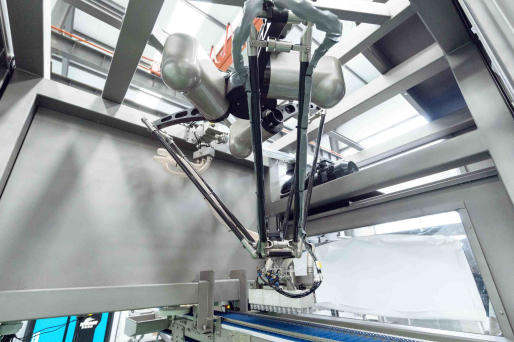
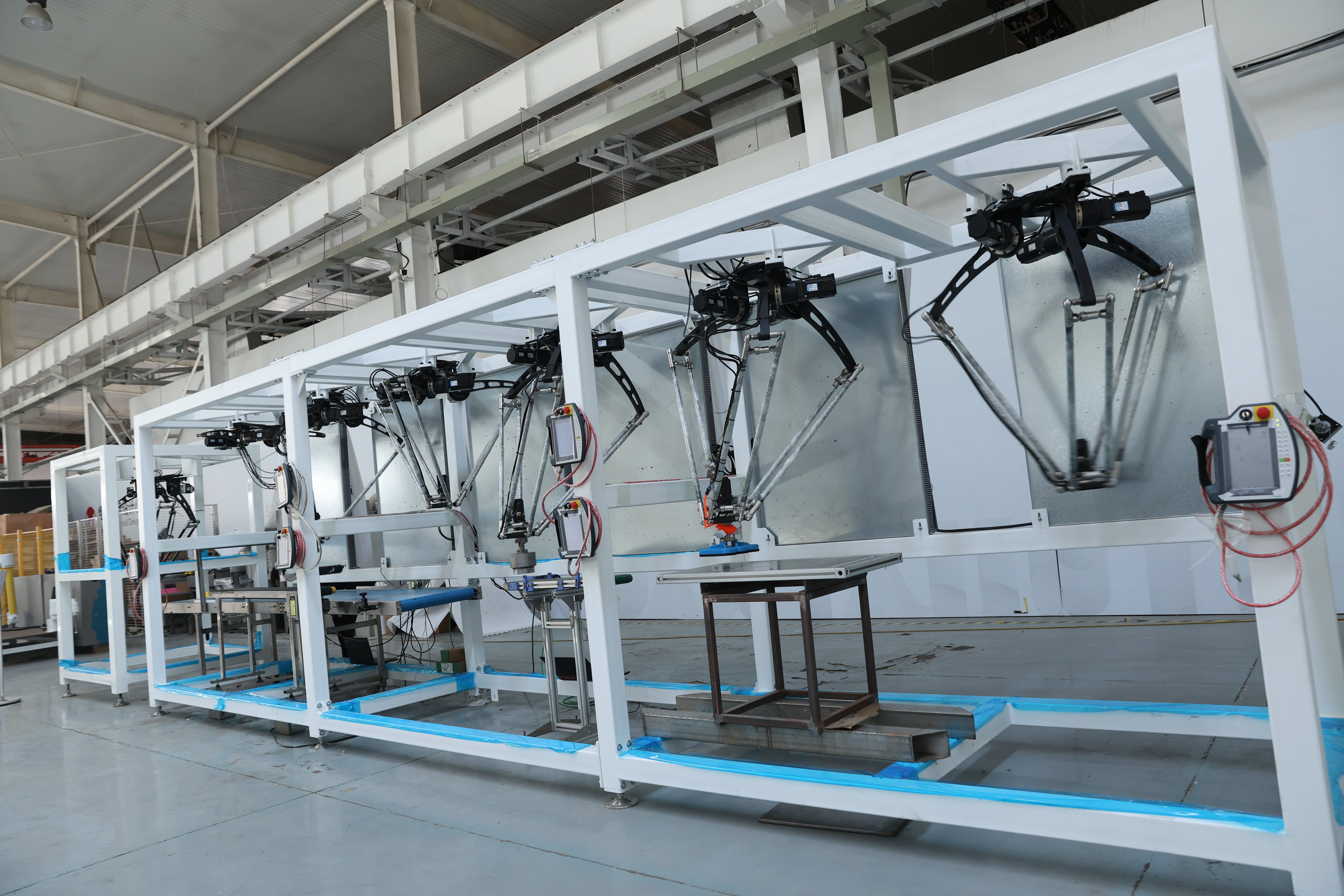
parallel robot
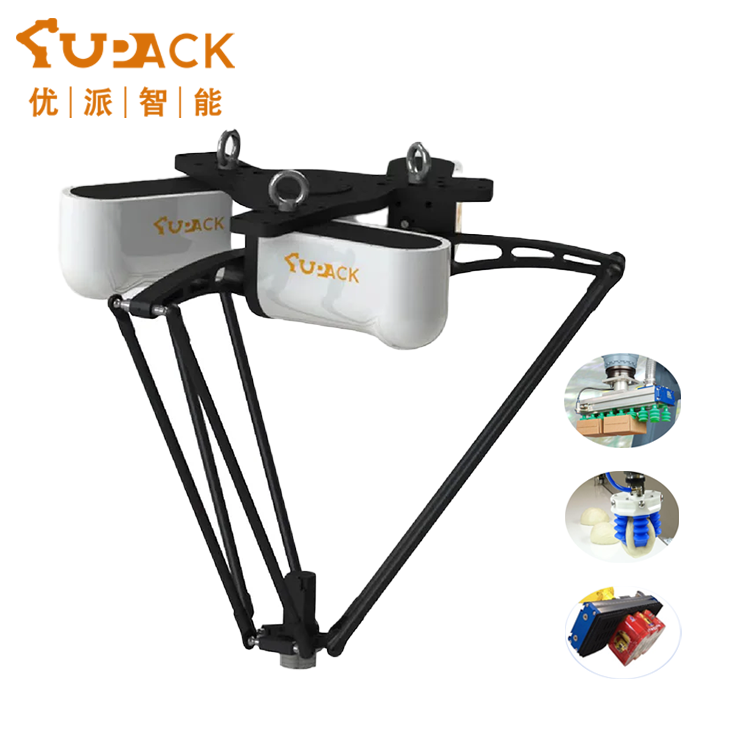
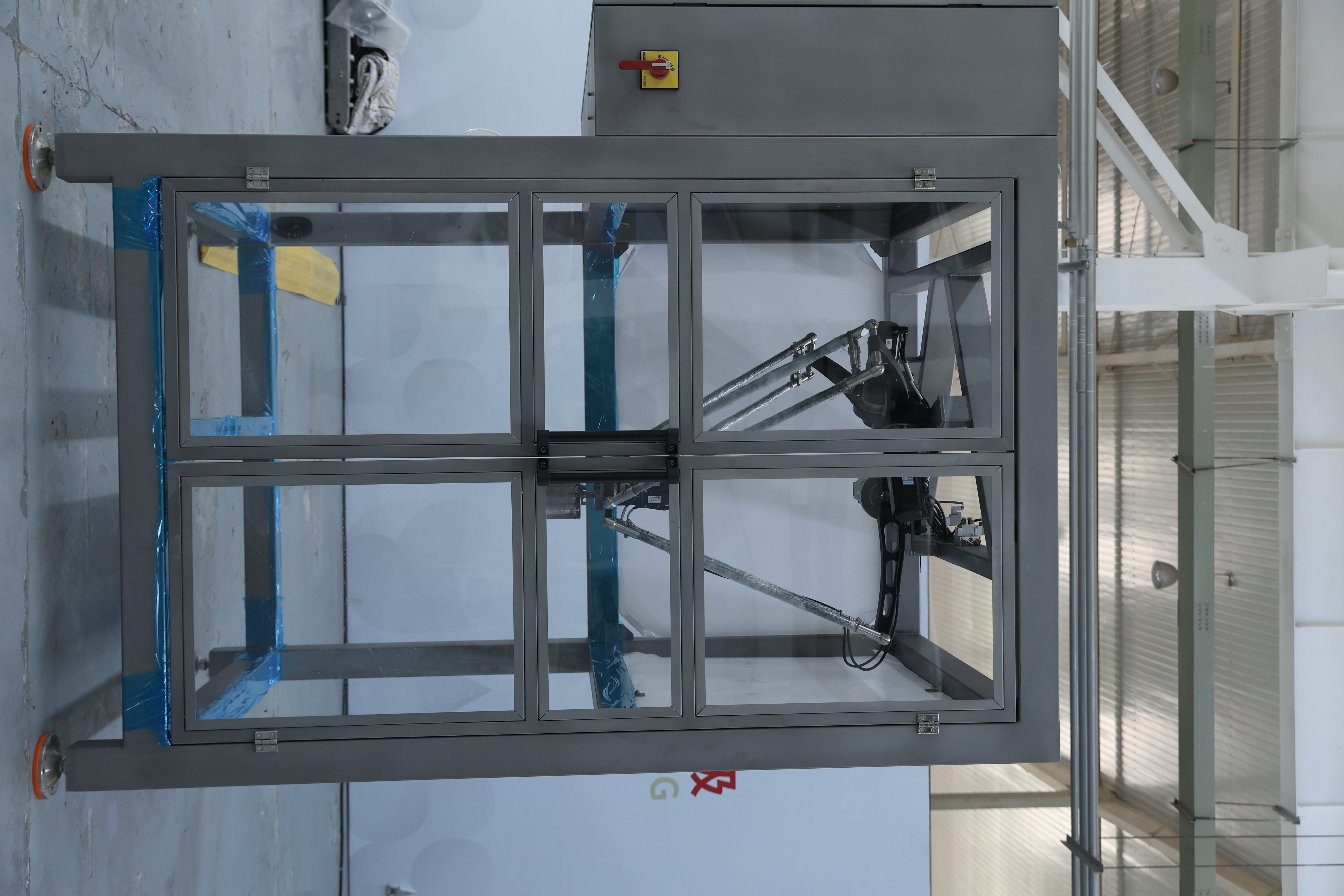
A parallel robot represents an advanced automation solution designed to enhance manufacturing and assembly processes across multiple industries. This innovative parallel robot utilizes a sophisticated kinematic structure where multiple robotic arms work in perfect synchronization to execute complex tasks with exceptional precision. The parallel robot architecture enables simultaneous movement along multiple axes, creating a highly responsive system capable of handling intricate operations that traditional serial robots cannot efficiently perform.
The primary functions of a parallel robot include high-speed material handling, precise assembly operations, pharmaceutical packaging, and food processing applications. A parallel robot excels in environments requiring rapid cycle times and consistent accuracy, making it invaluable for competitive manufacturing environments. Technologically, the parallel robot features advanced motion control systems, real-time feedback mechanisms, and integrated vision systems that ensure optimal performance and quality control.
Key technological features of a parallel robot include its rigid parallel structure, which provides superior stability and repeatability. The parallel robot design allows for distributed load-bearing capacity across multiple arms, significantly reducing stress on individual components. This parallel robot configuration delivers faster acceleration rates compared to conventional robotic systems, enabling manufacturers to increase productivity substantially. Applications for a parallel robot span across automotive assembly, electronics manufacturing, medical device production, and logistics operations. The versatility of a parallel robot makes it an essential investment for businesses seeking to modernize their production capabilities and maintain competitive advantages in rapidly evolving markets.

 EN