robotic handling system
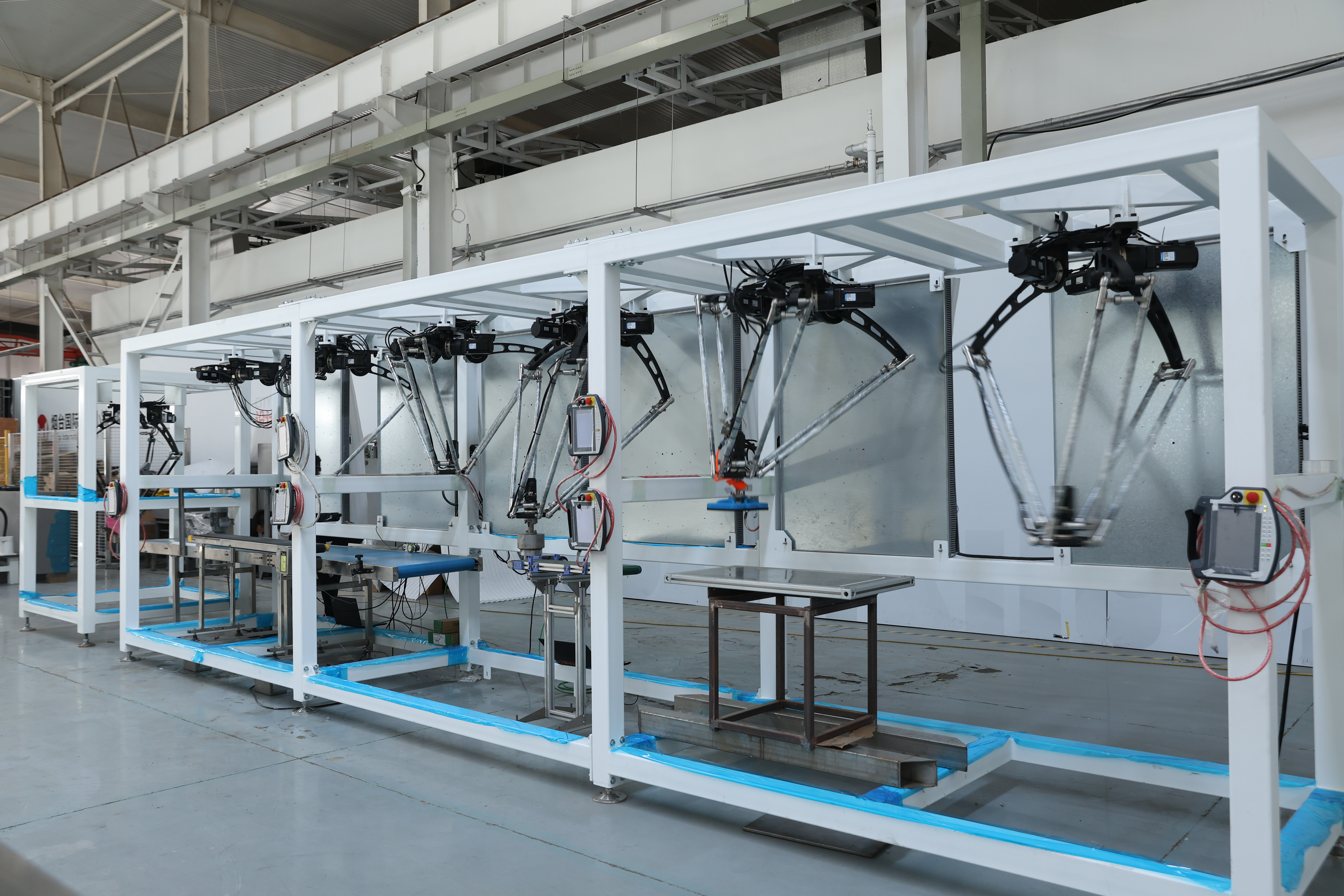
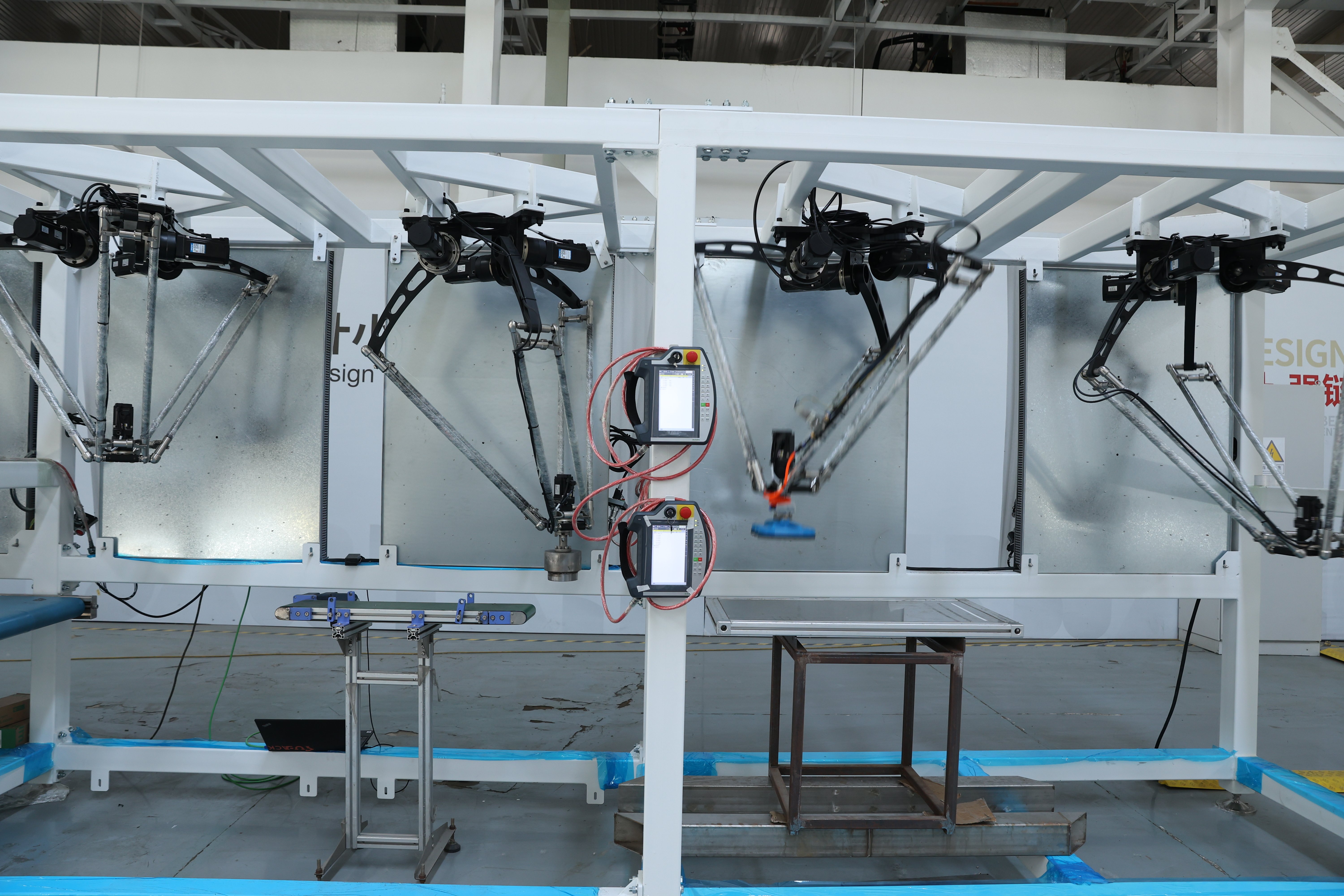
A robotic handling system represents a sophisticated automation solution designed to streamline material movement and product positioning across industrial environments. This advanced robotic handling system integrates mechanical arms, intelligent control systems, and precision sensors to perform repetitive tasks with exceptional accuracy and consistency. The primary functions of a robotic handling system include picking and placing objects, transferring materials between workstations, loading and unloading equipment, and organizing inventory in warehouses and manufacturing facilities.
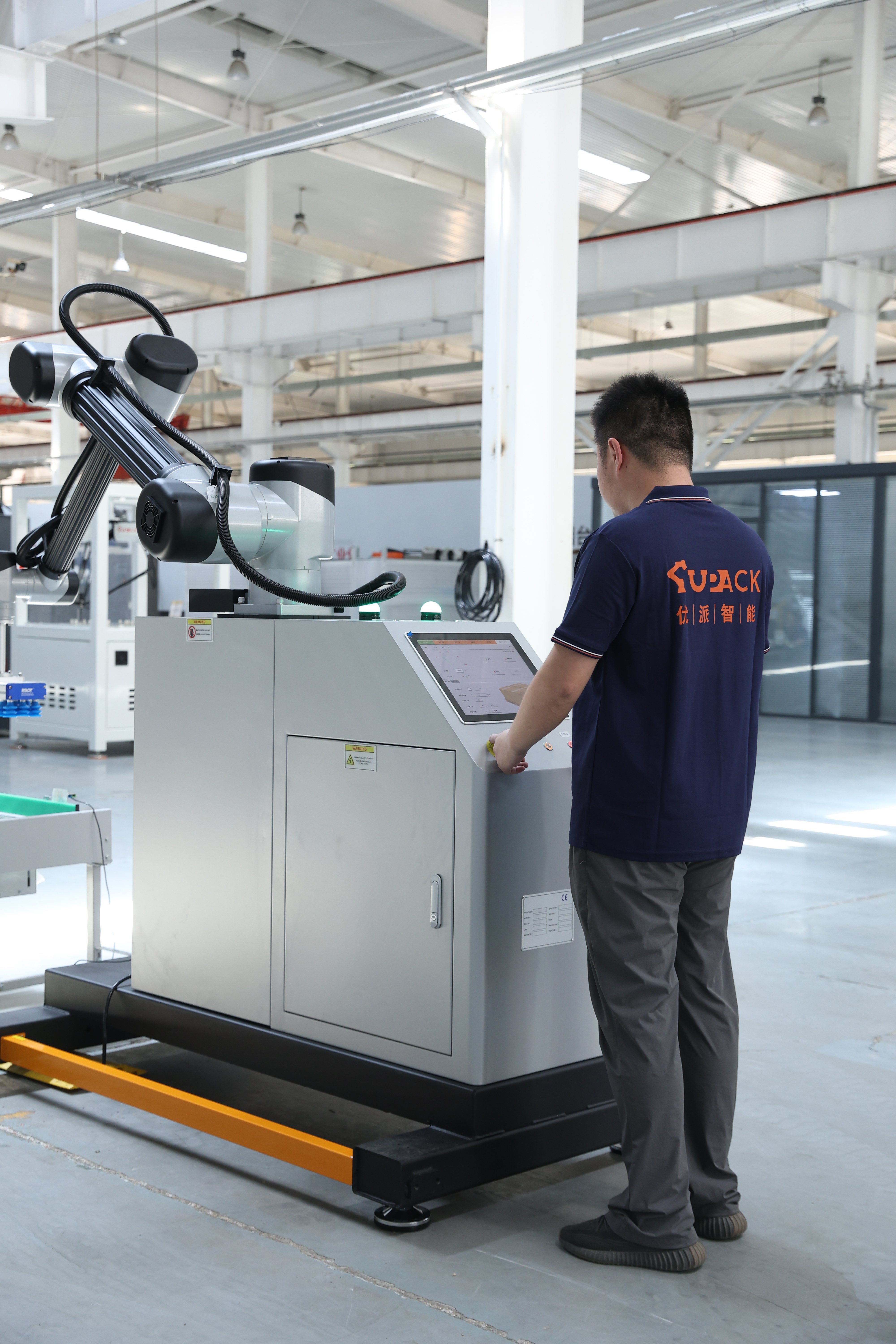
Technologically, a modern robotic handling system features multi-axis robotic arms capable of reaching complex angles and positions that human workers cannot safely access. The system incorporates machine vision technology, allowing the robotic handling system to identify and sort items by size, shape, and color. Advanced programming interfaces enable operators to customize workflows without extensive technical expertise. Safety features integrated throughout the robotic handling system include collision detection, force-limiting technology, and emergency stop mechanisms that protect both equipment and personnel.
Applications for a robotic handling system span numerous industries. Manufacturing plants utilize this technology for assembly line automation and component transfer. E-commerce warehouses deploy robotic handling systems to manage high-volume order fulfillment efficiently. Food processing facilities benefit from the sanitary advantages of automated material movement. Pharmaceutical companies rely on robotic handling systems to maintain strict quality controls and contamination prevention. The robotic handling system has become indispensable across automotive, electronics, and logistics sectors where precision and speed directly impact productivity and profitability.

 EN


