Assembly Automation: Industrial Solutions

Get a Free Quote

Our representative will contact you soon.
Email
Name
Company Name
Message
0/1000

assembly automation

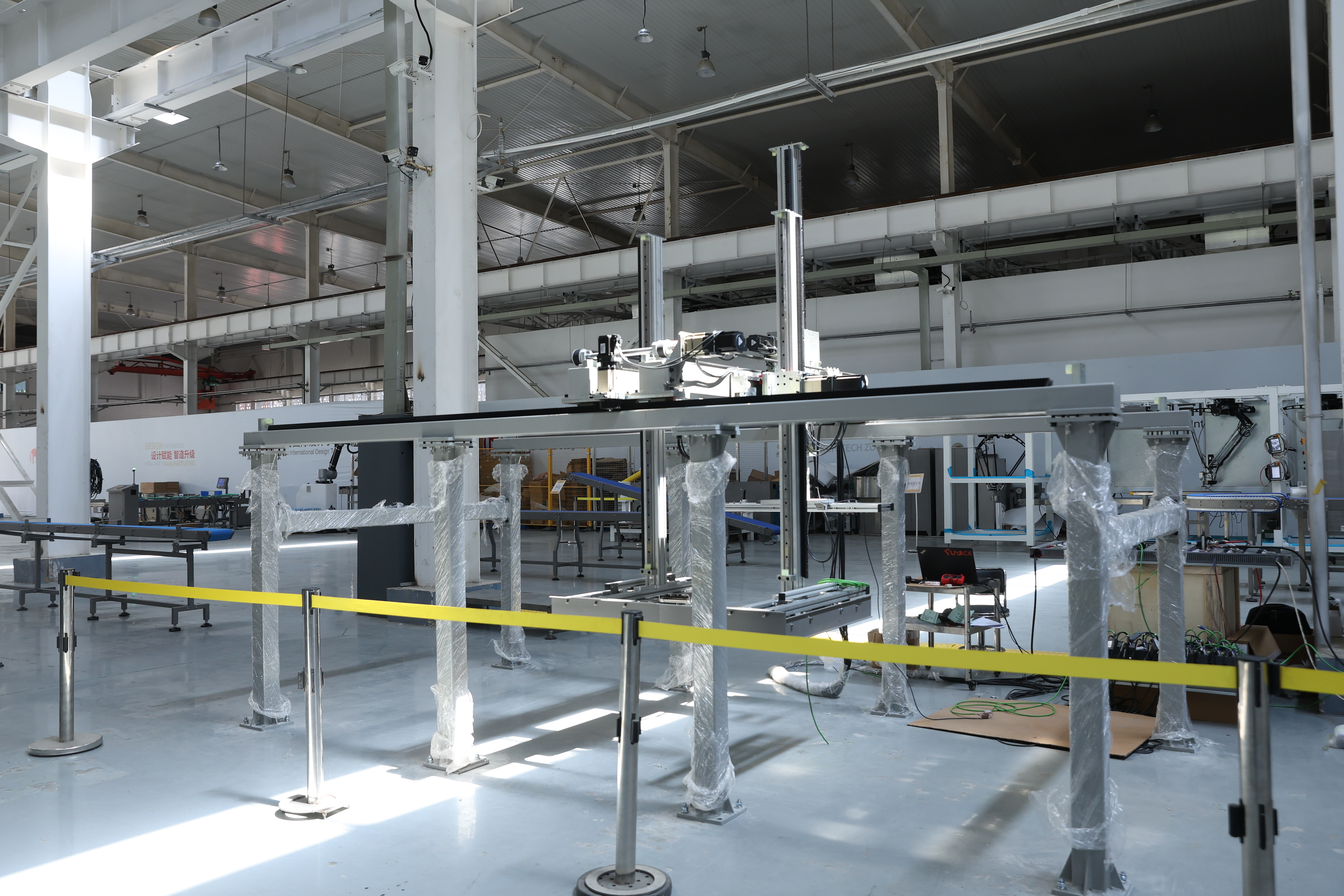
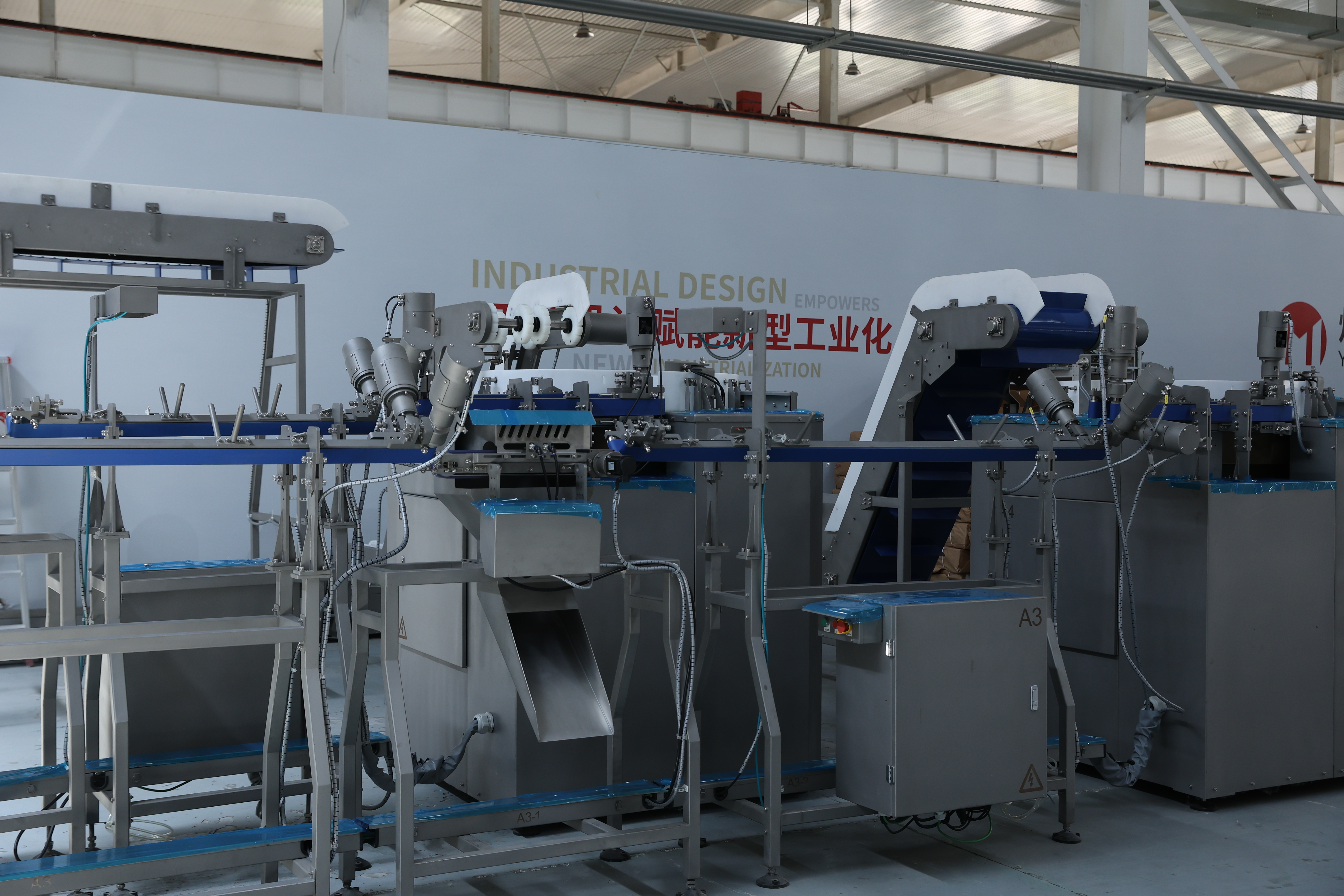
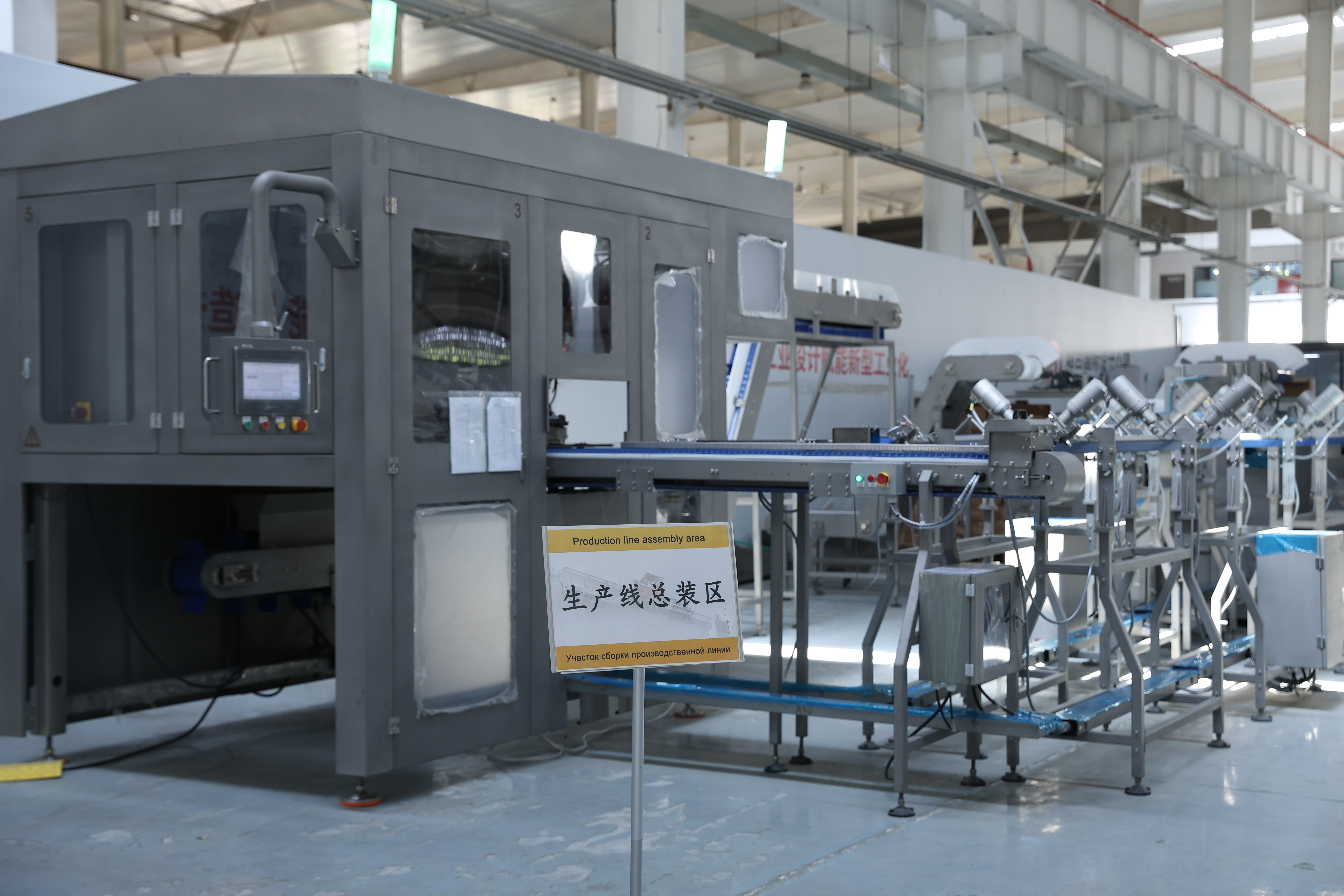
Assembly automation represents a transformative approach to manufacturing processes, fundamentally changing how products are built on production lines. At its core, assembly automation involves using automated systems, robotic arms, and intelligent machinery to perform repetitive assembly tasks with precision and consistency. This technology replaces manual labor in joining components, fastening parts, and integrating subassemblies into complete products. The main functions of assembly automation include component positioning, material handling, fastening operations, quality inspection, and product packaging. Modern assembly automation systems utilize advanced technological features such as artificial intelligence, machine vision systems, and programmable logic controllers. These technologies enable real-time monitoring, adaptive process control, and predictive maintenance capabilities that optimize production efficiency. Applications of assembly automation span diverse industries including automotive manufacturing, electronics production, consumer appliances, medical devices, and industrial equipment. In automotive factories, assembly automation handles complex welding, bolt fastening, and component integration tasks. Electronics manufacturers employ assembly automation for circuit board assembly, component soldering, and device testing. The versatility of assembly automation makes it suitable for high-volume production environments where consistency and speed are critical success factors. Technologically, modern assembly automation integrates Internet of Things connectivity, data analytics, and cloud-based monitoring systems. These features provide manufacturers with comprehensive insights into production performance, enabling data-driven decision-making. Assembly automation systems can be customized to accommodate various product designs and manufacturing specifications, making them adaptable solutions for evolving production needs. The combination of mechanical precision, computational intelligence, and automated control systems makes assembly automation an essential component of contemporary manufacturing infrastructure.
New Product Releases

Assembly automation delivers substantial operational benefits that directly improve manufacturing efficiency and profitability. By automating repetitive assembly tasks, companies significantly reduce production cycle times while maintaining exceptional quality consistency. Assembly automation eliminates human errors associated with manual assembly, resulting in fewer defective products and reduced rework costs. This directly impacts the bottom line by decreasing waste and increasing overall equipment effectiveness. For manufacturers seeking competitive advantages, assembly automation provides measurable buyer value through lower per-unit production costs. When assembly automation handles high-volume production, it maximizes throughput and minimizes labor expenses, allowing businesses to offer more competitive pricing without sacrificing profit margins. Workers previously assigned to repetitive assembly tasks can be reassigned to higher-value activities such as quality control, maintenance, and process optimization. Operational benefits extend beyond cost reduction to include enhanced workplace safety. Assembly automation removes employees from hazardous environments, repetitive strain situations, and injury-prone assembly operations. This creates a safer working environment while reducing workers' compensation claims and occupational health costs. The decision-useful context for implementing assembly automation includes scalability advantages. As production demands increase, assembly automation systems accommodate volume growth without proportional increases in labor costs. Product quality remains consistently high regardless of production speed, addressing customer satisfaction and brand reputation concerns. Application suitability for assembly automation spans industries requiring precision assembly work. Electronics manufacturers benefit from improved board assembly accuracy, while automotive producers leverage assembly automation for complex multi-component integration. Companies can achieve faster market-to-production timelines because assembly automation enables rapid scaling of new product lines. The investment in assembly automation ultimately generates strong return on investment through reduced operational costs, improved product quality, and enhanced production flexibility.

Practical Tips

Common Customer Q&A

20

Jan

Common Customer Q&A

View More
Global Collaboration, Shared Growth

20

Jan

Global Collaboration, Shared Growth

View More
Comprehensive After-Sales Service System for Peace

20

Jan

Comprehensive After-Sales Service System for Peace

View More

Get a Free Quote

Our representative will contact you soon.
Email
Name
Company Name
Message
0/1000

assembly automation

Precision Engineering for Consistent Quality

Precision Engineering for Consistent Quality

Assembly automation delivers unmatched precision that human workers cannot consistently achieve across extended production runs. Modern assembly automation systems use advanced sensors and machine vision technology to verify component positioning, alignment, and fastening integrity. Each assembly operation meets exacting specifications repeatedly, eliminating the variability inherent in manual assembly processes. This precision engineering capability ensures that every product leaving the assembly line meets quality standards, reducing customer returns and warranty claims. Assembly automation's ability to maintain micron-level accuracy across thousands of cycles makes it invaluable for industries like medical devices and aerospace where quality deviations carry serious consequences. Manufacturers implementing assembly automation experience dramatic improvements in first-pass quality rates, often exceeding 99.5% accuracy levels. The consistency provided by assembly automation translates directly into enhanced brand reputation, increased customer confidence, and long-term competitive advantages in quality-conscious markets.
24/7 Production Capability and Rapid Throughput

24/7 Production Capability and Rapid Throughput

Assembly automation enables continuous manufacturing operations without fatigue, breaks, or shift limitations that constrain human workers. Modern assembly automation systems operate reliably around the clock, significantly increasing annual production capacity without expanding facility space. This continuous operation capability means manufacturers can meet aggressive delivery timelines and seasonal demand spikes without overtime expenses or emergency hiring. Assembly automation accelerates production cycles, transforming products from raw components to finished goods faster than traditional manual assembly methods. Advanced assembly automation systems process components at rates exceeding 100 units per hour depending on complexity, enabling manufacturers to fulfill large orders quickly. The rapid throughput capability of assembly automation reduces inventory holding periods, minimizes working capital requirements, and improves cash flow management. Businesses leveraging assembly automation respond faster to market opportunities and customer requests, gaining significant competitive advantages in dynamic market environments where speed-to-delivery influences purchasing decisions and customer loyalty.
Cost Efficiency and Improved Return on Investment

Cost Efficiency and Improved Return on Investment

Implementing assembly automation dramatically reduces per-unit production costs through eliminated labor expenses and optimized material usage. While initial capital investment in assembly automation systems requires careful financial planning, operational savings quickly justify the expenditure through lower ongoing production costs. Assembly automation reduces scrap rates and rework expenses by maintaining consistent assembly quality, directly improving profit margins on each unit produced. Companies implementing assembly automation experience payback periods typically ranging from 18 to 36 months, after which assembly automation becomes increasingly profitable. Energy-efficient modern assembly automation systems consume less power than operating large labor forces, further reducing operational expenses. The scalability of assembly automation means incremental production volume increases require minimal additional investment, maximizing return on investment as production scales. Strategic implementation of assembly automation positions manufacturers to compete effectively on pricing while maintaining healthy profit margins, enabling sustainable business growth and long-term financial success.

Get a Free Quote

Our representative will contact you soon.
Email
Name
Company Name
Message
0/1000