industrial machinery automation
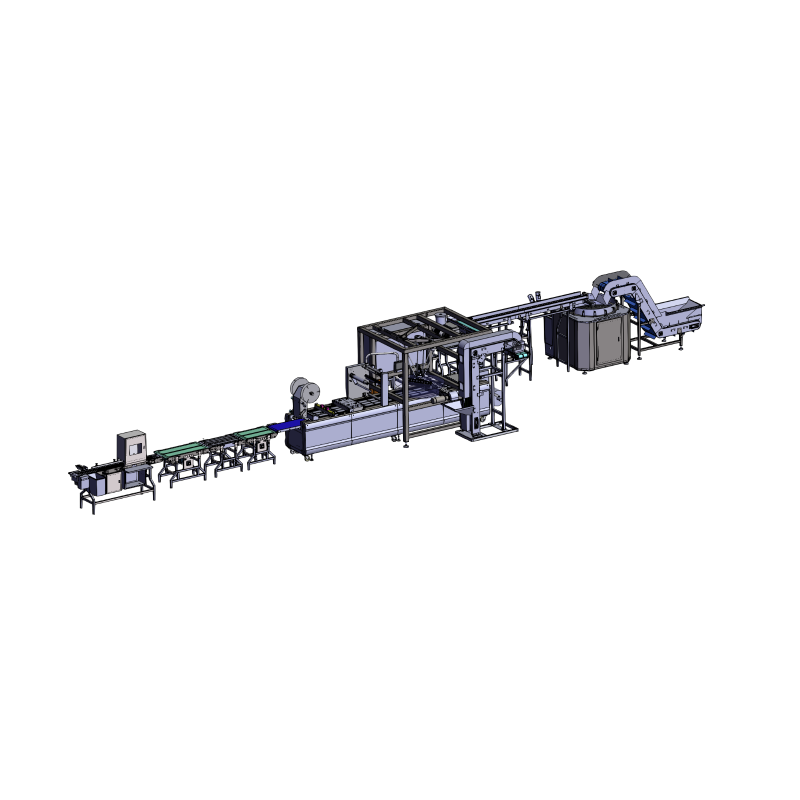
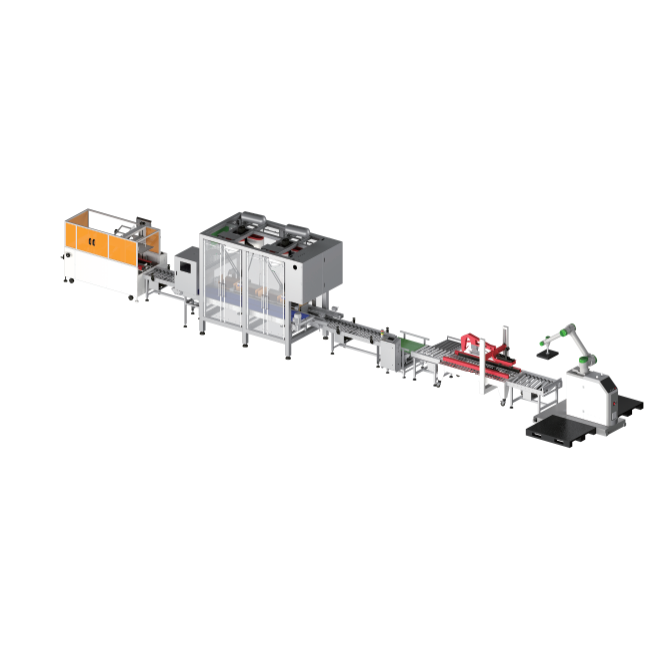
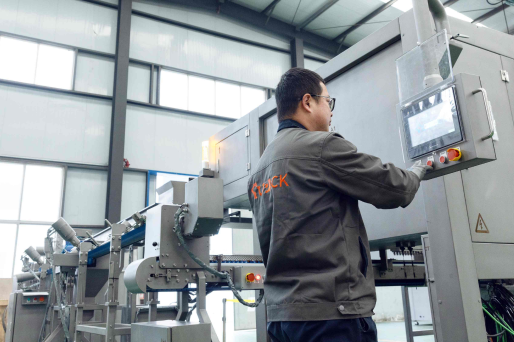
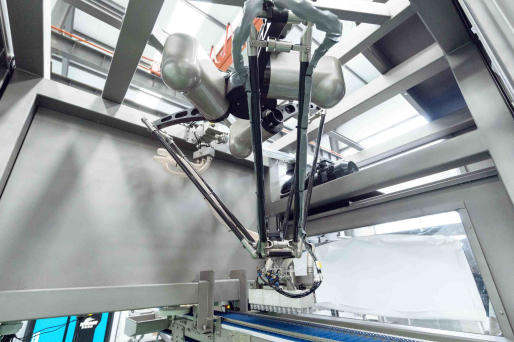
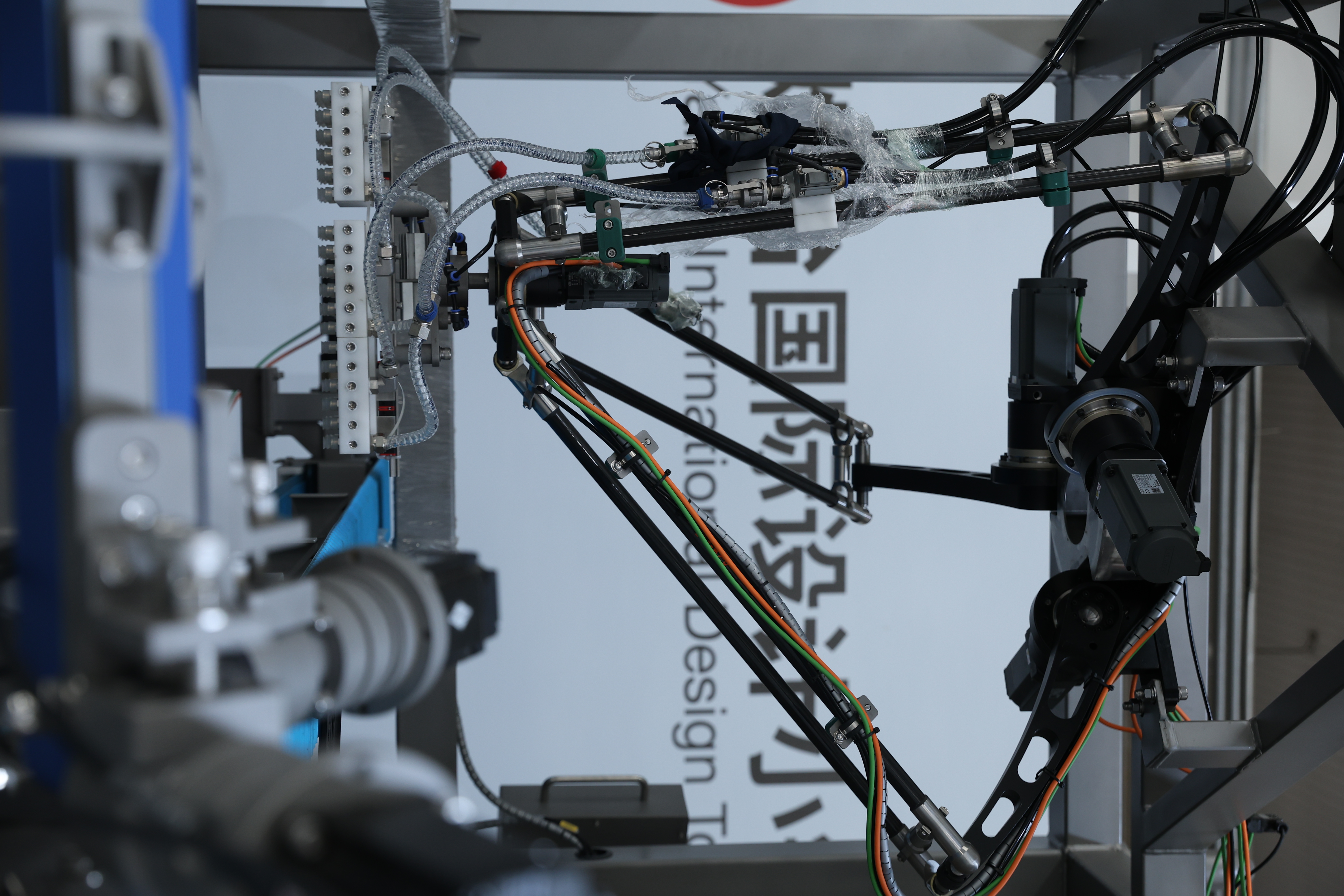
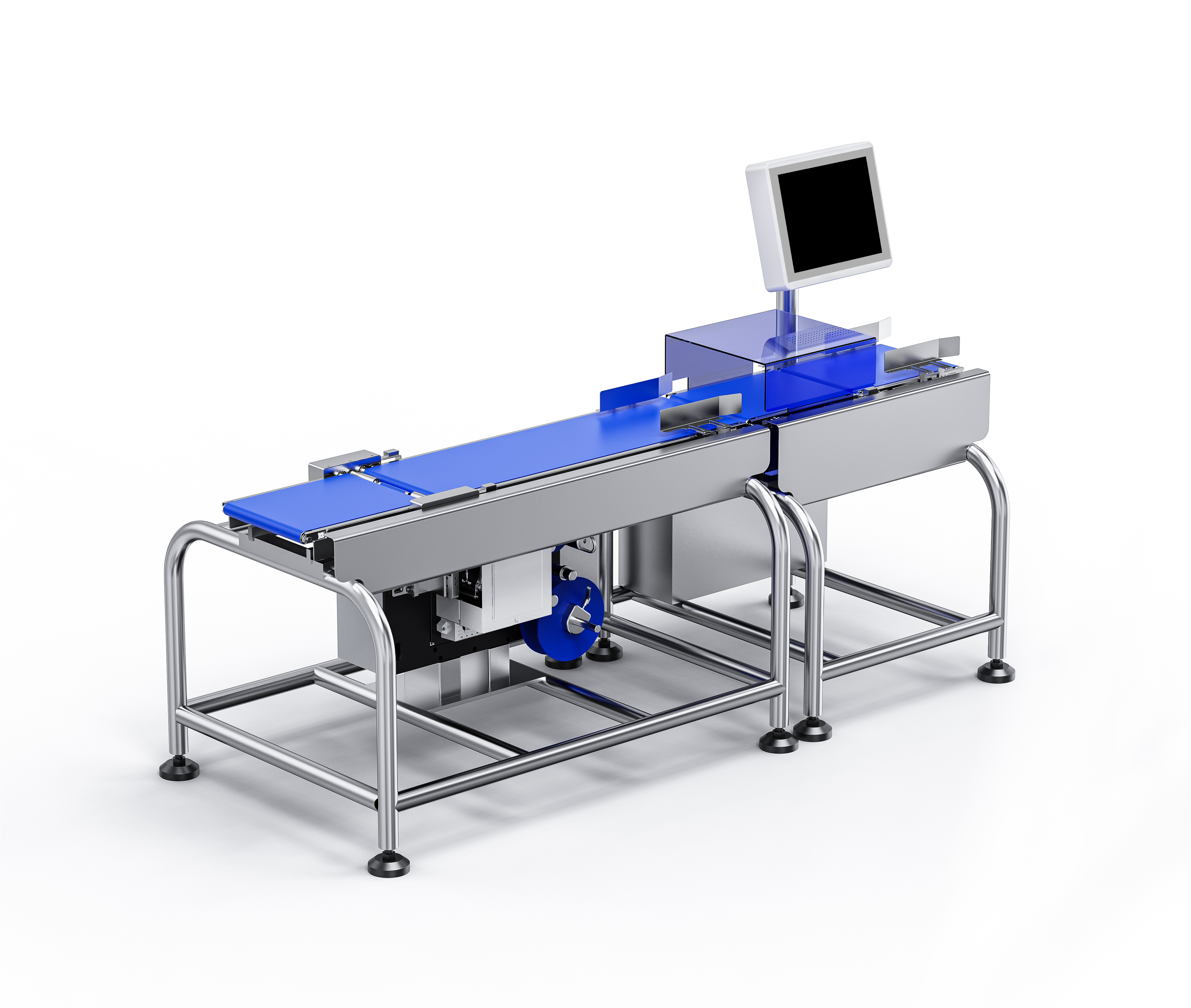
Industrial machinery automation represents a transformative approach to modern manufacturing and production processes. This technology integrates advanced control systems, robotics, and digital platforms to streamline operations and enhance efficiency. Industrial machinery automation encompasses the use of programmable logic controllers, sensors, and intelligent software to manage complex production tasks with minimal human intervention.
The main functions of industrial machinery automation include automating repetitive manufacturing tasks, monitoring equipment performance in real-time, and coordinating multiple production stages seamlessly. These systems capture data from machinery sensors and use algorithms to optimize workflows and predict maintenance needs before failures occur.
Key technological features include integrated Internet of Things connectivity, artificial intelligence-driven decision-making, and cloud-based monitoring dashboards. Industrial machinery automation systems feature wireless communication protocols, advanced analytics engines, and responsive control mechanisms that adapt to changing production demands. The automation platform learns from operational patterns and continuously improves performance metrics.
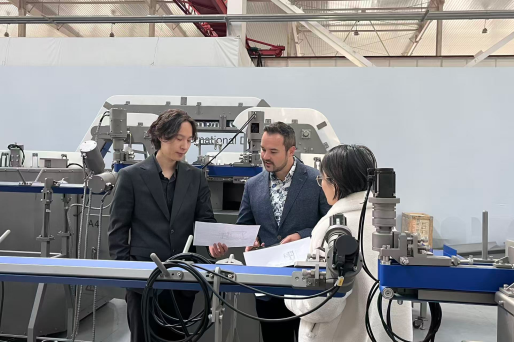
Applications span across diverse industries including automotive manufacturing, food and beverage production, pharmaceutical processing, and textile operations. Industrial machinery automation excels in high-volume production environments where precision and consistency matter. These systems handle material handling, assembly operations, quality inspection, packaging, and specialized manufacturing tasks across different sectors effectively.

 EN