assembly automation industries
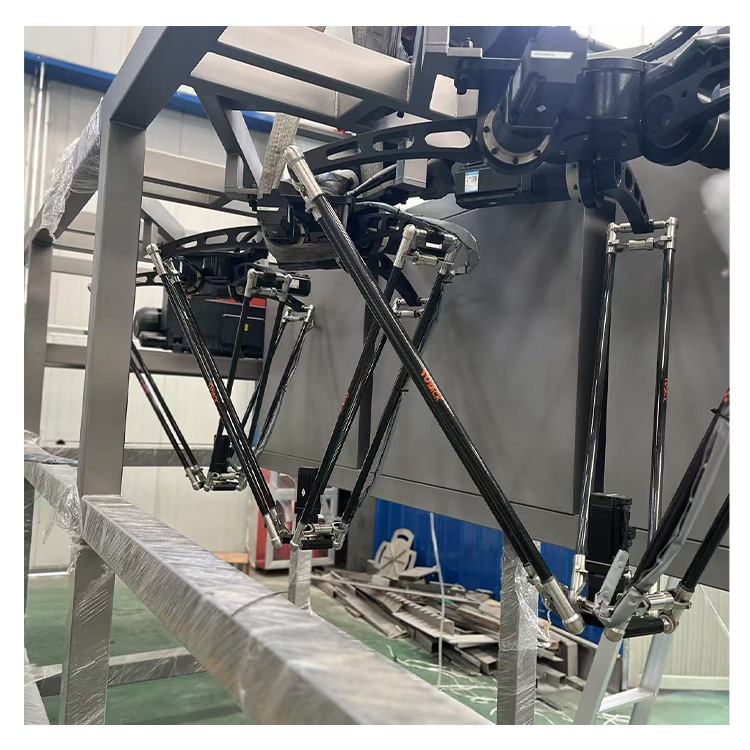
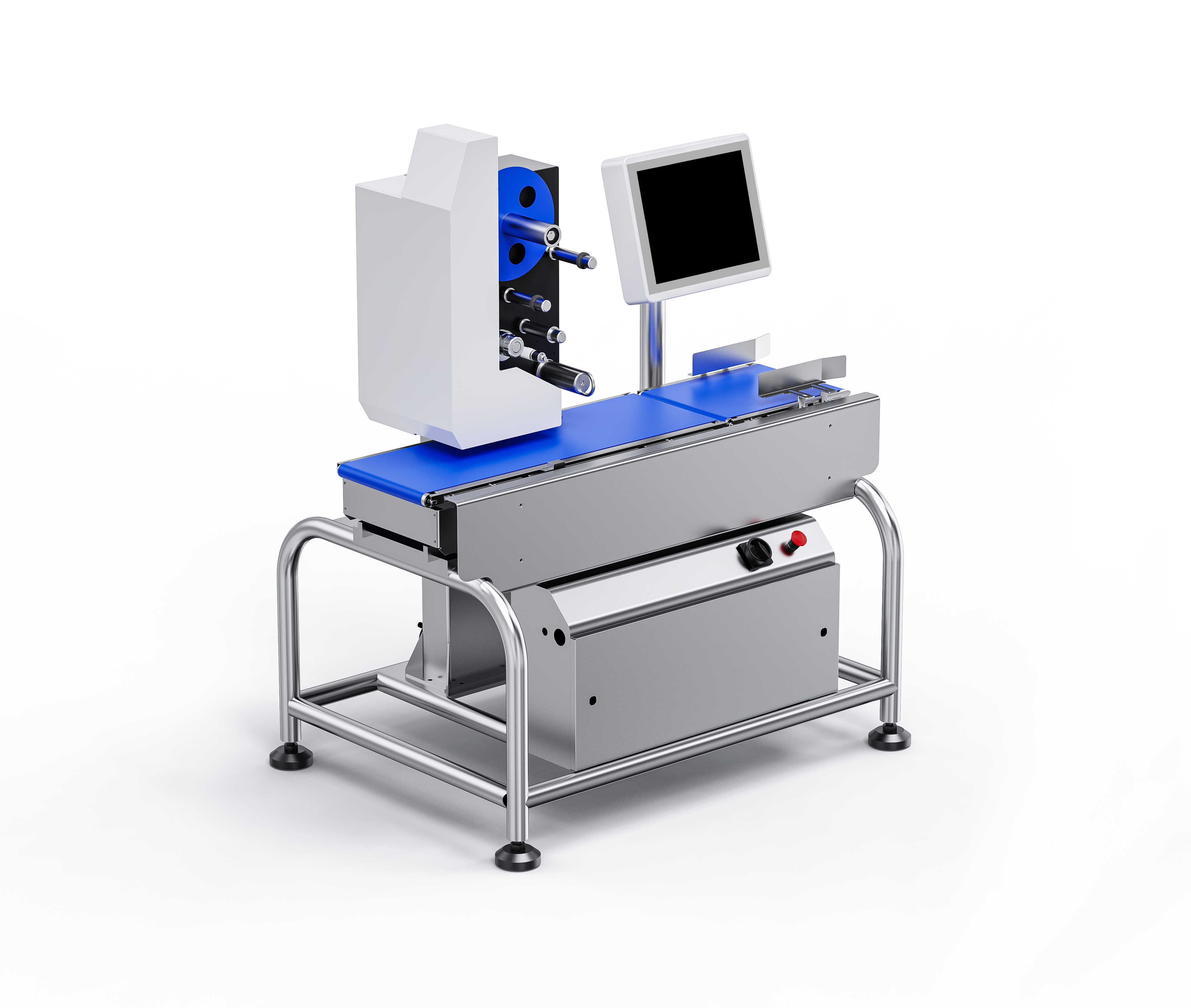
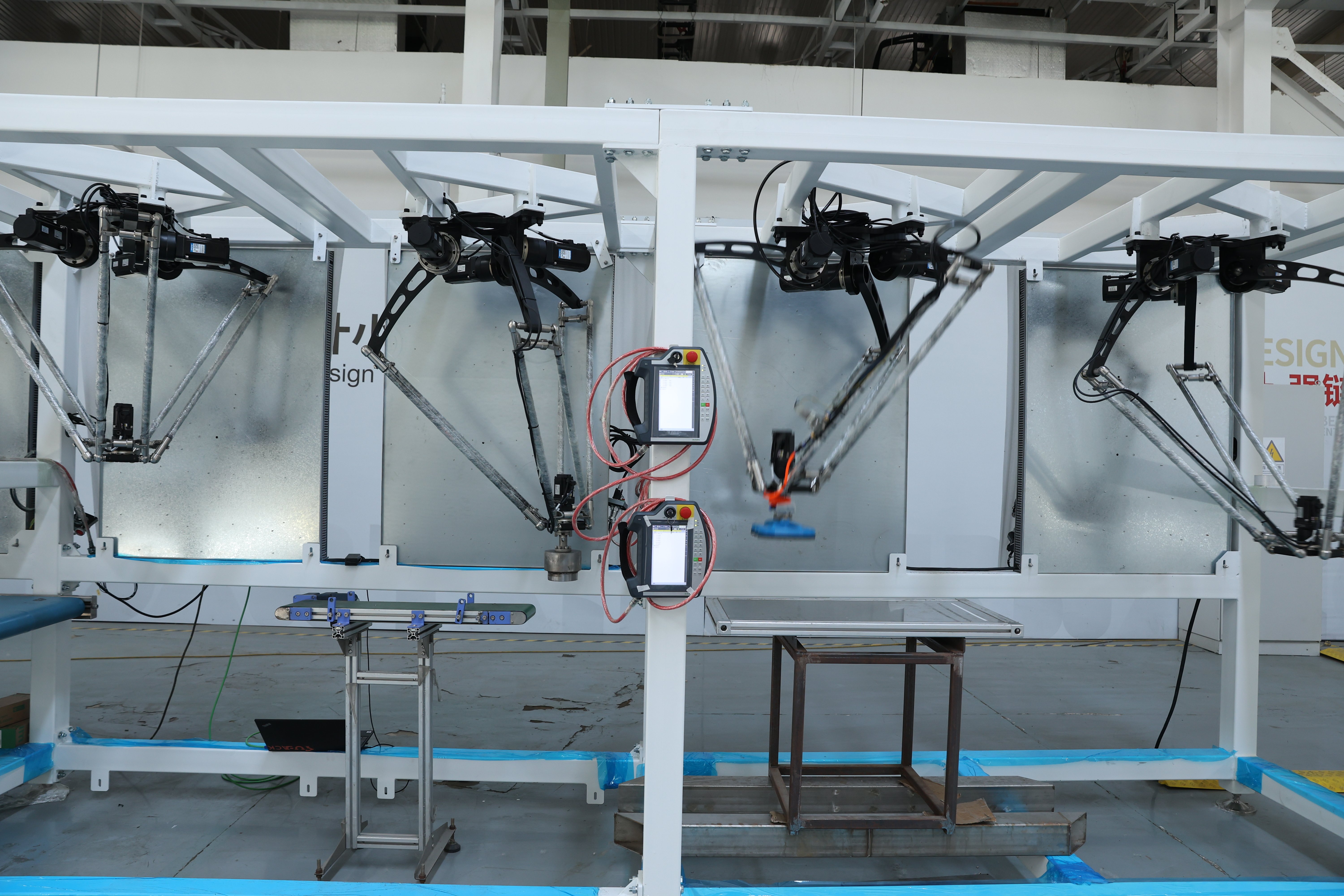
The assembly automation industries represent a transformative sector that revolutionizes manufacturing through intelligent mechanization and sophisticated control systems. These industries focus on automating the assembly process of components into finished products, eliminating manual labor inefficiencies and enhancing production consistency. Assembly automation industries utilize robotics, conveyor systems, vision inspection technology, and programmable logic controllers to execute precise operations at remarkable speeds. The technological features of assembly automation industries include real-time quality monitoring, flexible production capabilities, and seamless integration with existing manufacturing infrastructure. Applications span across diverse sectors including automotive manufacturing, electronics production, consumer goods assembly, medical device manufacturing, and appliance production. Modern assembly automation industries employ artificial intelligence and machine learning algorithms to optimize workflows and predict maintenance requirements proactively. These systems perform repetitive tasks with exceptional accuracy while maintaining worker safety by removing personnel from hazardous environments. The assembly automation industries continue evolving with Industry 4.0 integration, enabling remote monitoring and data analytics capabilities. Companies leveraging assembly automation industries gain competitive advantages through increased throughput, reduced defect rates, and improved operational consistency. The technological sophistication of assembly automation industries makes them essential for meeting modern market demands and maintaining manufacturing competitiveness in rapidly changing global markets.

 EN


