manufacturing process automation
Manufacturing process automation represents a transformative approach to modern production environments. This technology streamlines repetitive tasks and enhances operational efficiency by integrating computerized control systems into manufacturing workflows. Manufacturing process automation encompasses machinery, software, and integrated technologies working together to reduce manual intervention and improve output consistency.
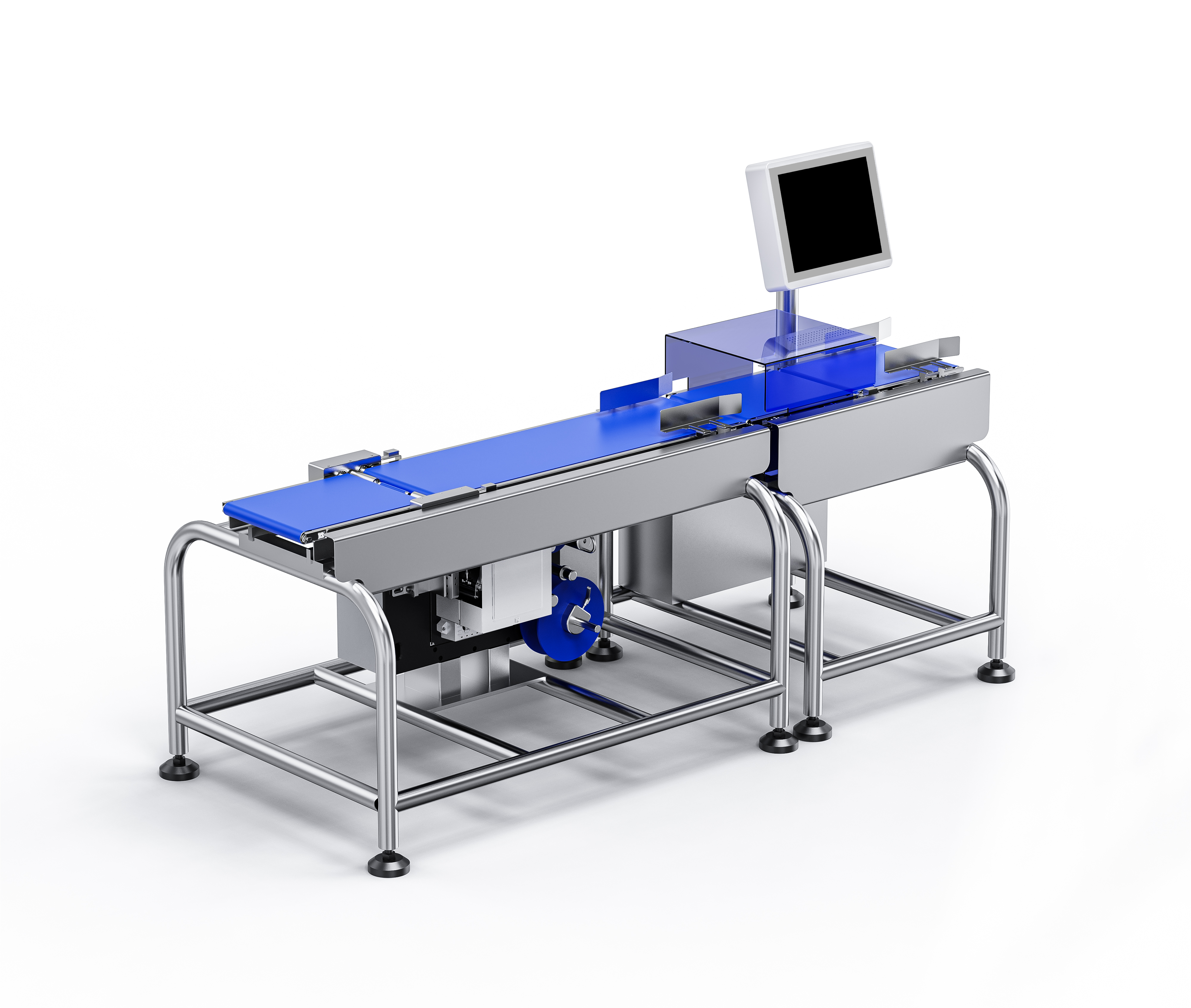
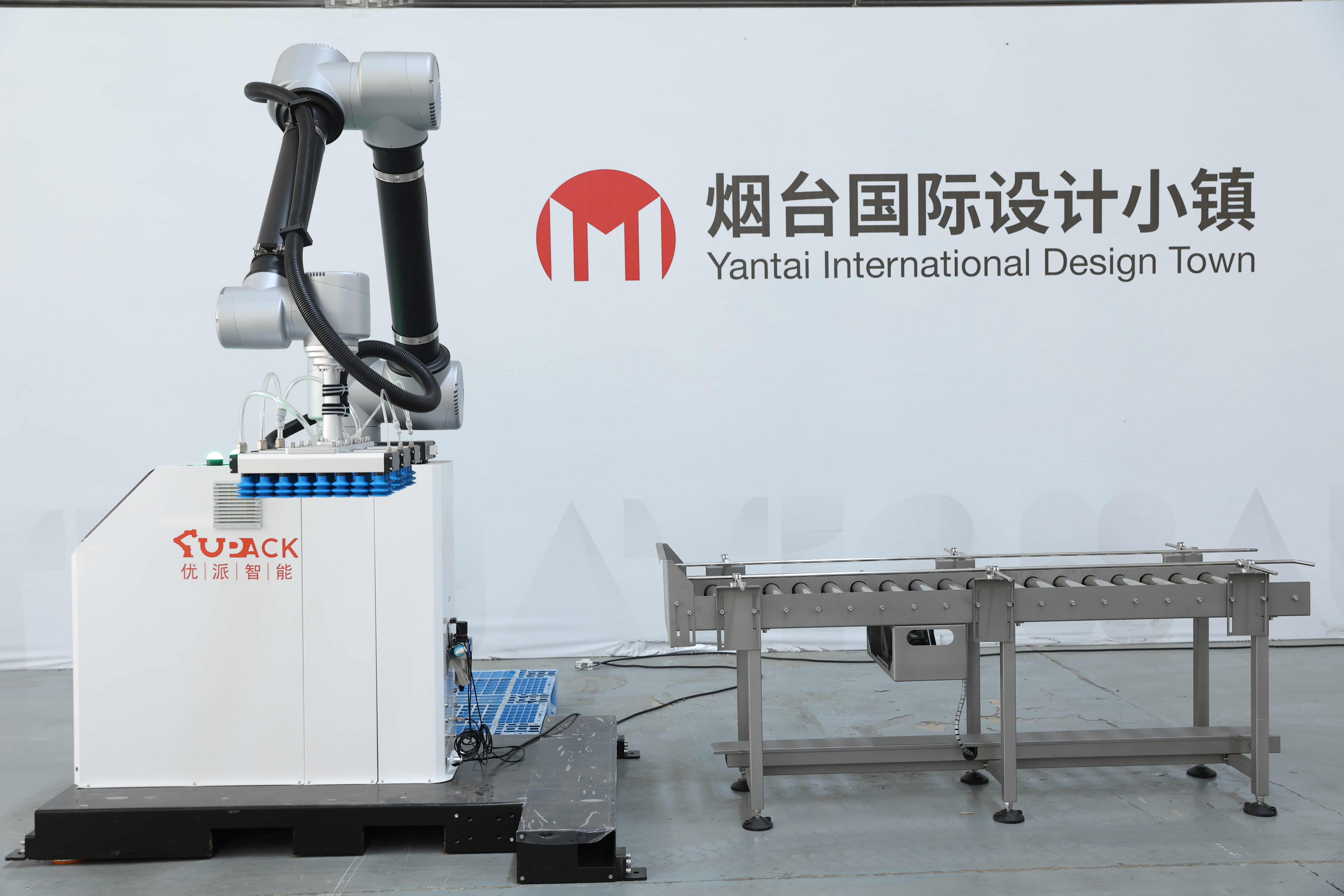
The primary functions of manufacturing process automation include task execution, quality control, inventory management, and data collection. Modern manufacturing process automation systems utilize robotics, artificial intelligence, and real-time monitoring to optimize production lines. These technological features enable manufacturers to maintain precise control over every production stage while minimizing human error.
Technologically, manufacturing process automation relies on programmable logic controllers, sensors, and machine learning algorithms. These components communicate seamlessly to adjust operations based on real-time feedback and predetermined parameters. The integration of Internet of Things technology allows manufacturing process automation systems to provide comprehensive visibility across entire production facilities.
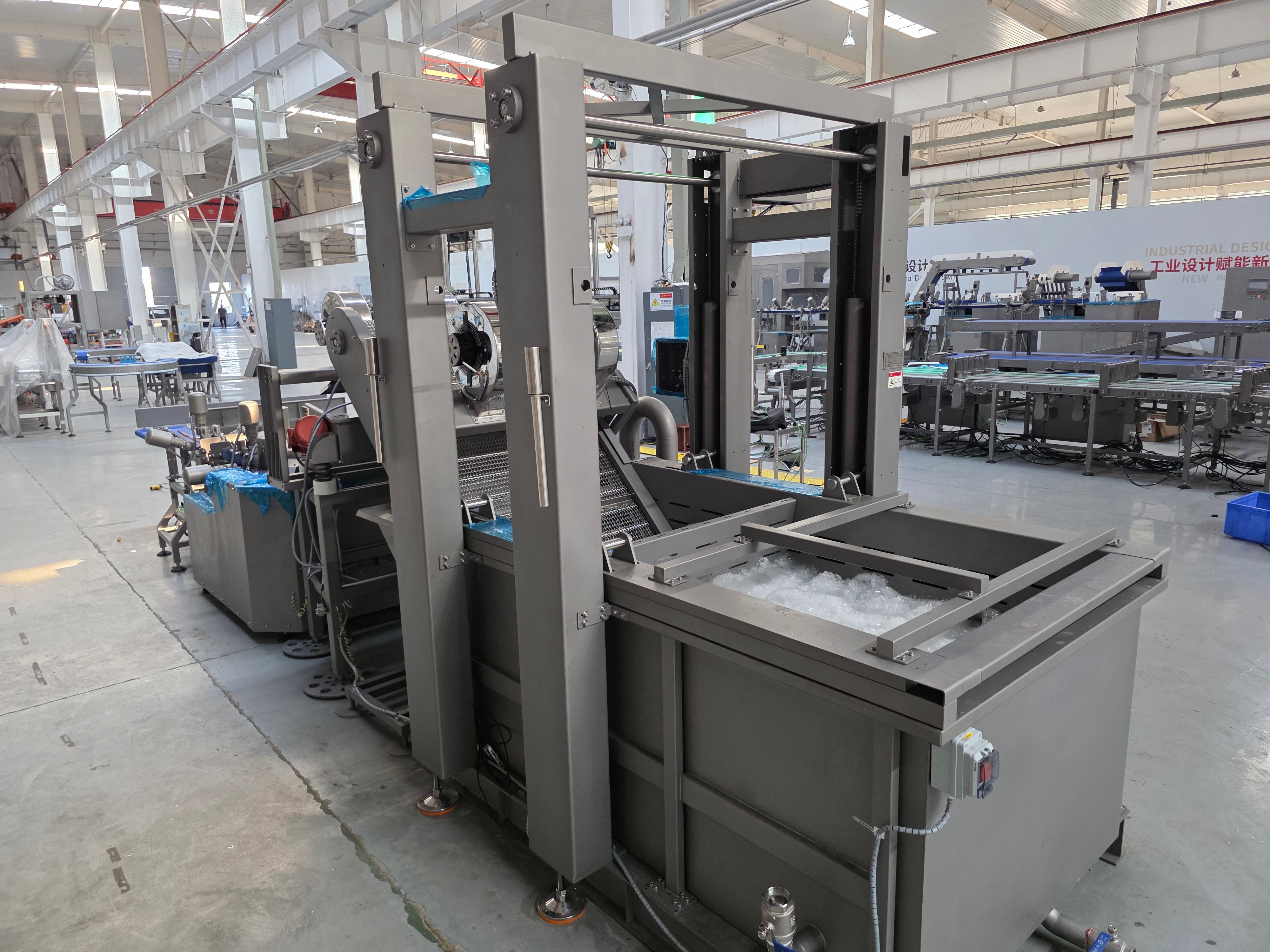
Applications of manufacturing process automation span diverse industries including automotive, electronics, pharmaceuticals, and consumer goods manufacturing. Assembly operations, packaging, quality inspection, and material handling all benefit from automated solutions. Manufacturing process automation proves particularly valuable in high-volume production environments where consistency and speed directly impact profitability and competitiveness in global markets.

 EN


