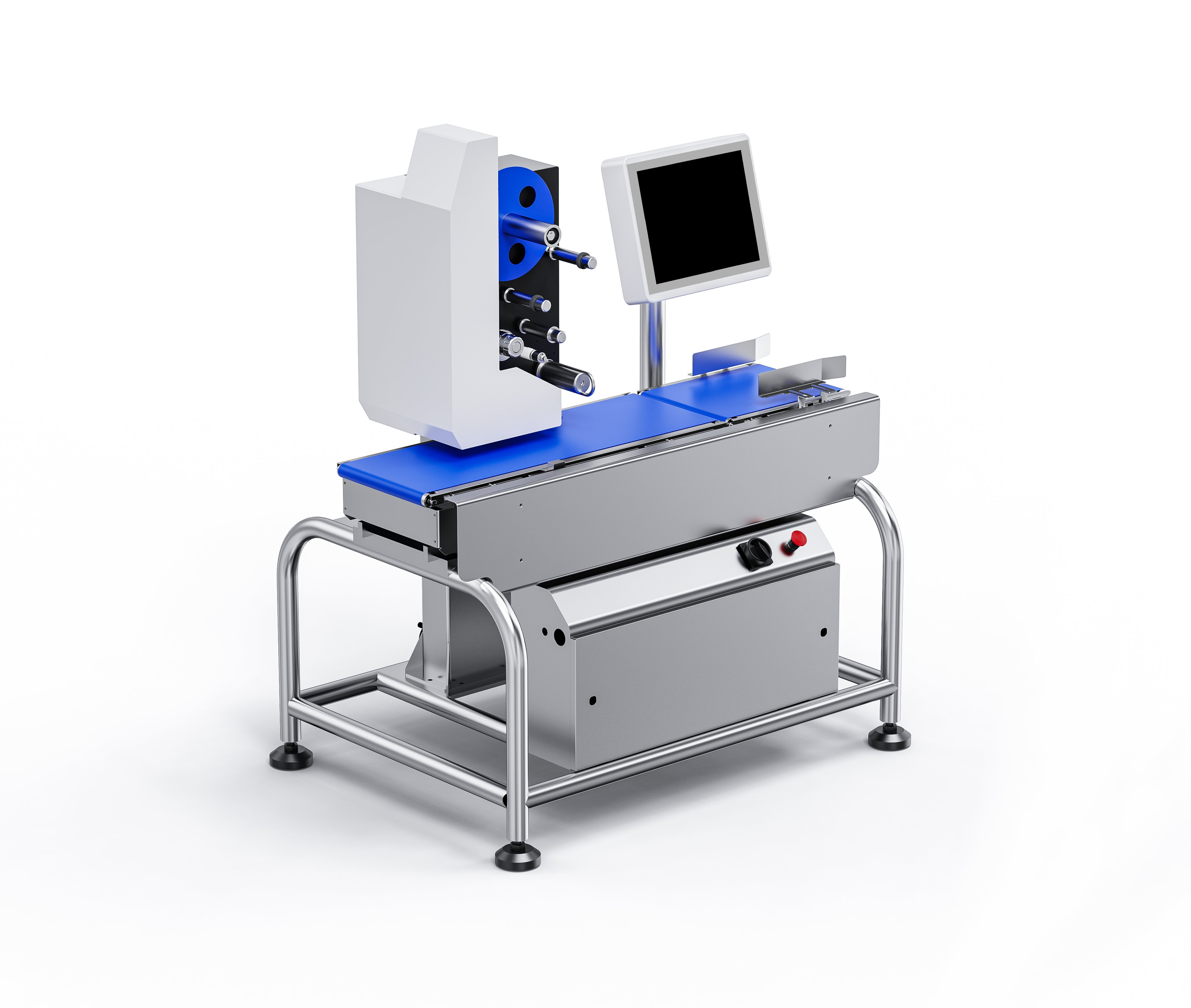
Manufacturing Line Automation Solutions

Get a Free Quote

Our representative will contact you soon.
Email
Name
Company Name
Message
0/1000

manufacturing line automation

Manufacturing line automation represents a transformative approach to modern production facilities, enabling businesses to streamline operations and enhance productivity through intelligent mechanization. Manufacturing line automation integrates advanced robotics, sensors, and control systems to execute repetitive tasks with precision and consistency that surpasses manual labor capabilities. The primary functions of manufacturing line automation encompass material handling, assembly operations, quality inspection, and packaging processes. These systems work seamlessly to move products through production stages, perform precise installations of components, detect defects automatically, and prepare finished goods for distribution. Key technological features include programmable logic controllers, artificial intelligence algorithms, real-time monitoring systems, and adaptive robotic arms. Manufacturing line automation employs vision systems for quality assurance, conveyor belt integration for continuous flow, and IoT connectivity for remote oversight and data collection. These technological innovations enable predictive maintenance alerts and performance analytics. Applications span diverse industries including automotive manufacturing, electronics assembly, food and beverage production, pharmaceutical packaging, and consumer goods fabrication. Manufacturing line automation proves invaluable wherever repetitive processes demand high output volumes, stringent quality standards, and consistent results. Modern facilities leverage this technology to maintain competitive advantages while reducing operational costs and improving workplace safety for human employees who transition to supervisory and specialized roles.
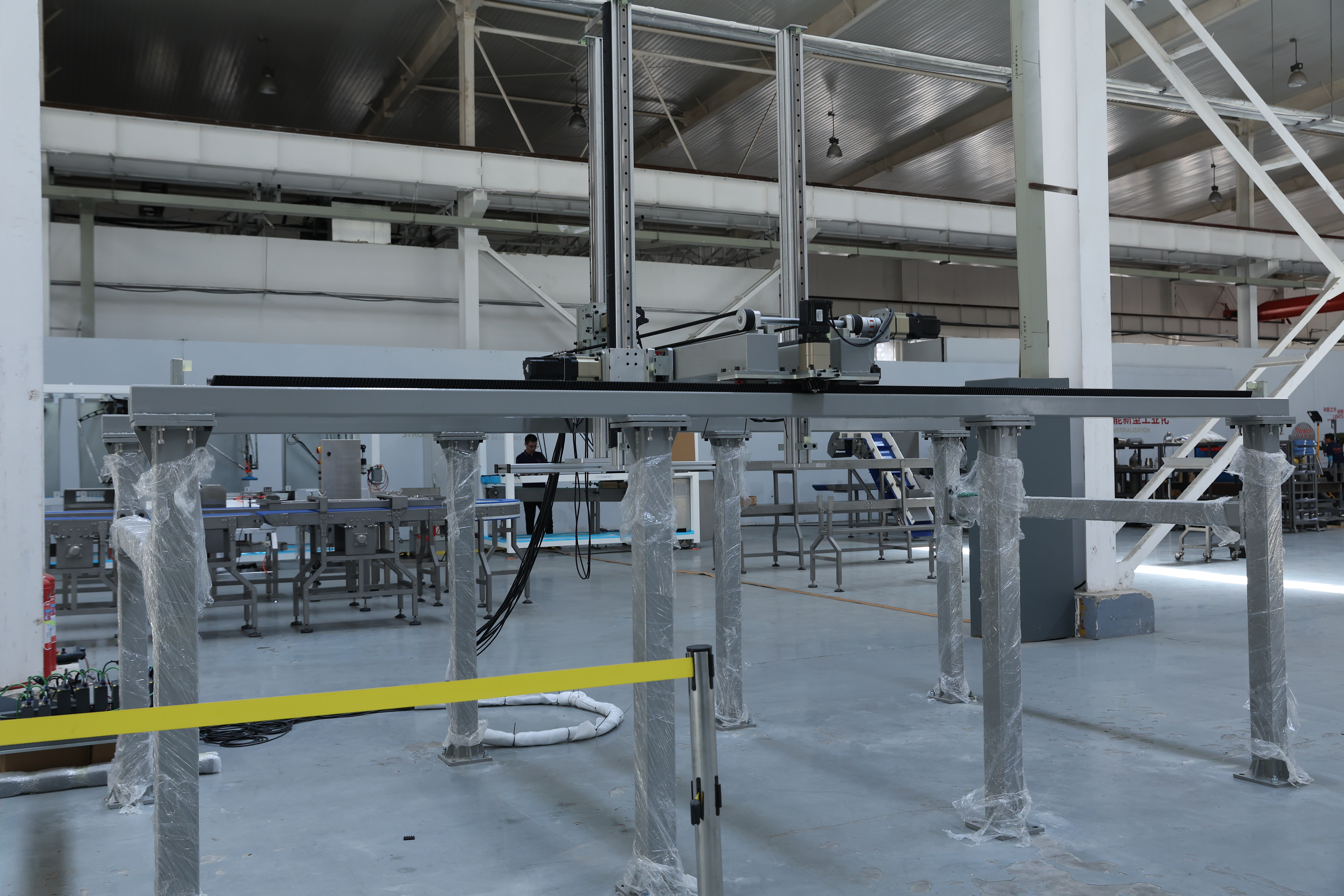
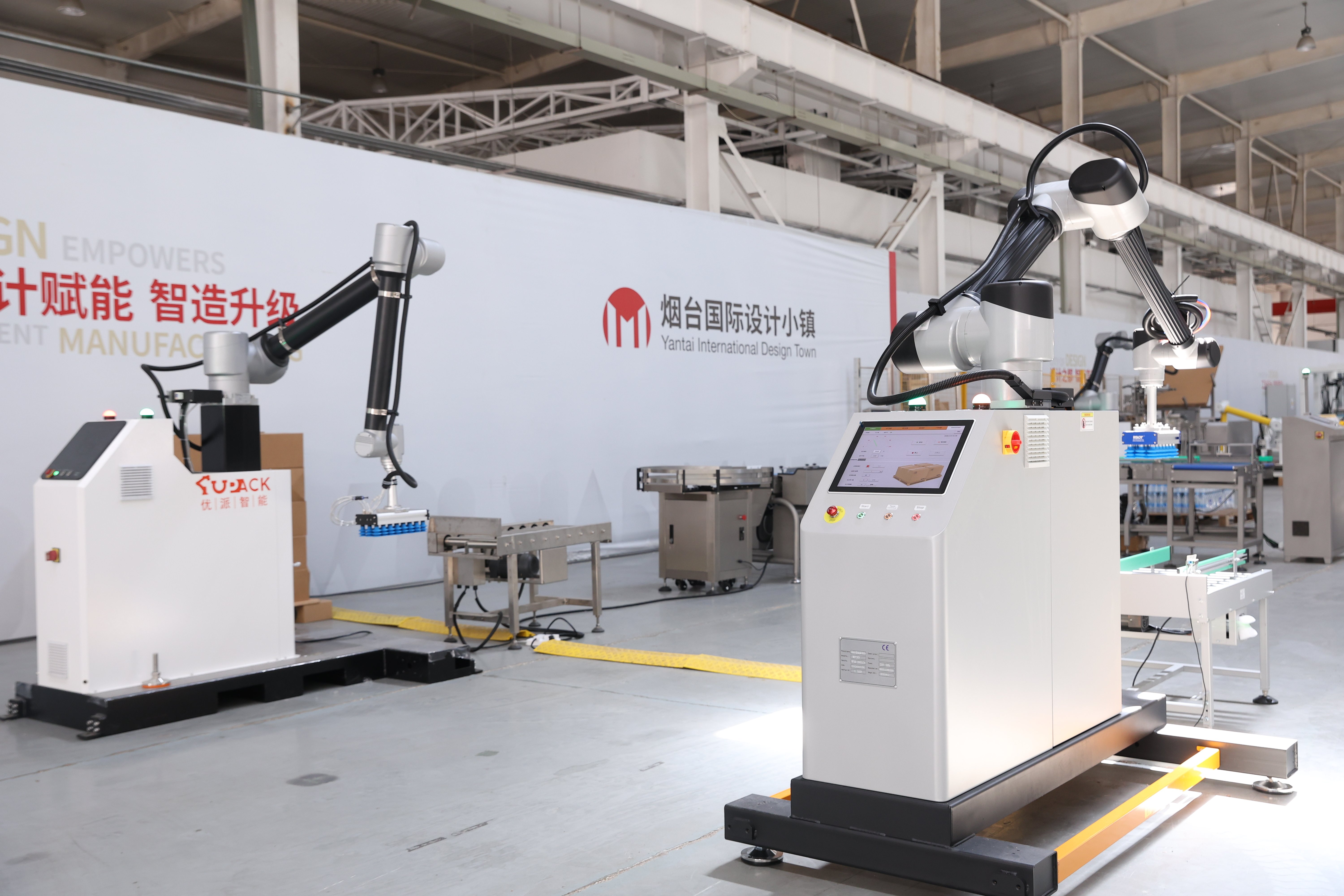
New Products

Manufacturing line automation delivers substantial practical benefits that transform business operations and financial performance. The most immediate advantage involves dramatically increased production capacity. Manufacturing line automation operates continuously without fatigue, enabling facilities to manufacture significantly more products within identical timeframes compared to traditional manual processes. This acceleration translates directly into increased revenue potential and faster market responsiveness. Cost reduction represents another compelling buyer value proposition. Manufacturing line automation minimizes labor expenses by handling routine tasks, reduces material waste through precision execution, and decreases energy consumption through optimized operational cycles. Businesses achieve faster return on investment while maintaining healthy profit margins even during competitive pricing periods. Quality consistency stands as a critical operational benefit. Manufacturing line automation executes tasks with unwavering accuracy, eliminating human error variables that plague manual operations. Products meet strict specifications consistently, reducing defect rates, customer returns, and warranty expenses. This reliability strengthens brand reputation and customer loyalty. Workplace safety improves substantially through manufacturing line automation implementation. Employees transition away from dangerous repetitive tasks, hazardous material handling, and injury-prone environments. This shift reduces worker compensation claims, healthcare costs, and productivity losses from injuries. Operational flexibility enables businesses to adapt quickly to market demands. Manufacturing line automation can be reprogrammed for different products, allowing manufacturers to diversify offerings without extensive retooling investments. This adaptability suits industries experiencing seasonal demand fluctuations or evolving consumer preferences. Finally, manufacturing line automation generates valuable production data through integrated sensors and monitoring systems, providing insights for continuous improvement and strategic decision-making.

Latest News

Common Customer Q&A

20

Jan

Common Customer Q&A

View More
Global Collaboration, Shared Growth

20

Jan

Global Collaboration, Shared Growth

View More
Comprehensive After-Sales Service System for Peace

20

Jan

Comprehensive After-Sales Service System for Peace

View More

Get a Free Quote

Our representative will contact you soon.
Email
Name
Company Name
Message
0/1000

manufacturing line automation

Enhanced Production Efficiency

Enhanced Production Efficiency

Manufacturing line automation delivers unprecedented efficiency gains by operating continuously at optimal speeds without the limitations inherent to manual labor. The systems execute complex manufacturing sequences with remarkable speed, enabling businesses to produce exponentially more units daily. Manufacturing line automation completes tasks that would require dozens of workers, freeing human resources for higher-value activities requiring problem-solving and creativity. Facilities experience dramatically reduced cycle times from raw material input to finished product output. This efficiency translates into substantial competitive advantages, allowing businesses to meet demanding customer deadlines while maintaining quality standards. The consistent performance of manufacturing line automation eliminates productivity fluctuations caused by worker fatigue, absence, or training variations. Companies achieve predictable output levels essential for supply chain planning and customer commitment fulfillment.
Superior Quality Control and Consistency

Superior Quality Control and Consistency

Manufacturing line automation maintains unwavering quality standards through precision-engineered processes and intelligent inspection systems. Every product undergoes identical treatment, ensuring uniform specifications and eliminating variations associated with human inconsistency. Manufacturing line automation incorporates vision systems and sensor technology to detect microscopic defects imperceptible to human inspection. Products meeting stringent standards proceed to market, while defective items receive identification immediately for remediation. This systematic quality assurance dramatically reduces customer complaints, warranty claims, and brand damage from substandard goods. Manufacturing line automation's consistent output builds customer trust and loyalty, generating repeat purchases and positive referrals. Industries requiring pharmaceutical purity, automotive precision, or electronics reliability particularly benefit from this technological advantage. The reduction in quality-related expenses directly improves profitability.
Cost Savings and Return on Investment

Cost Savings and Return on Investment

Manufacturing line automation generates substantial cost advantages that extend far beyond initial capital expenditure. Automated systems dramatically reduce per-unit labor costs, eliminate expensive human errors requiring rework, and minimize material waste through precise processing. Manufacturing line automation operates without fatigue or sick leave, requiring no employee benefits, reducing overhead substantially. Energy efficiency features optimize operational costs compared to traditional manufacturing approaches. Maintenance expenses decrease as predictive monitoring prevents catastrophic equipment failures. Manufacturing line automation also reduces supervision overhead since systems operate autonomously with minimal monitoring. These cumulative savings produce rapid return on investment, often within 18-36 months depending on production volume. Businesses achieve long-term profitability improvement through sustained operational cost reduction. The financial benefits of manufacturing line automation extend throughout product lifecycles, supporting business growth and market expansion strategies.

Get a Free Quote

Our representative will contact you soon.
Email
Name
Company Name
Message
0/1000