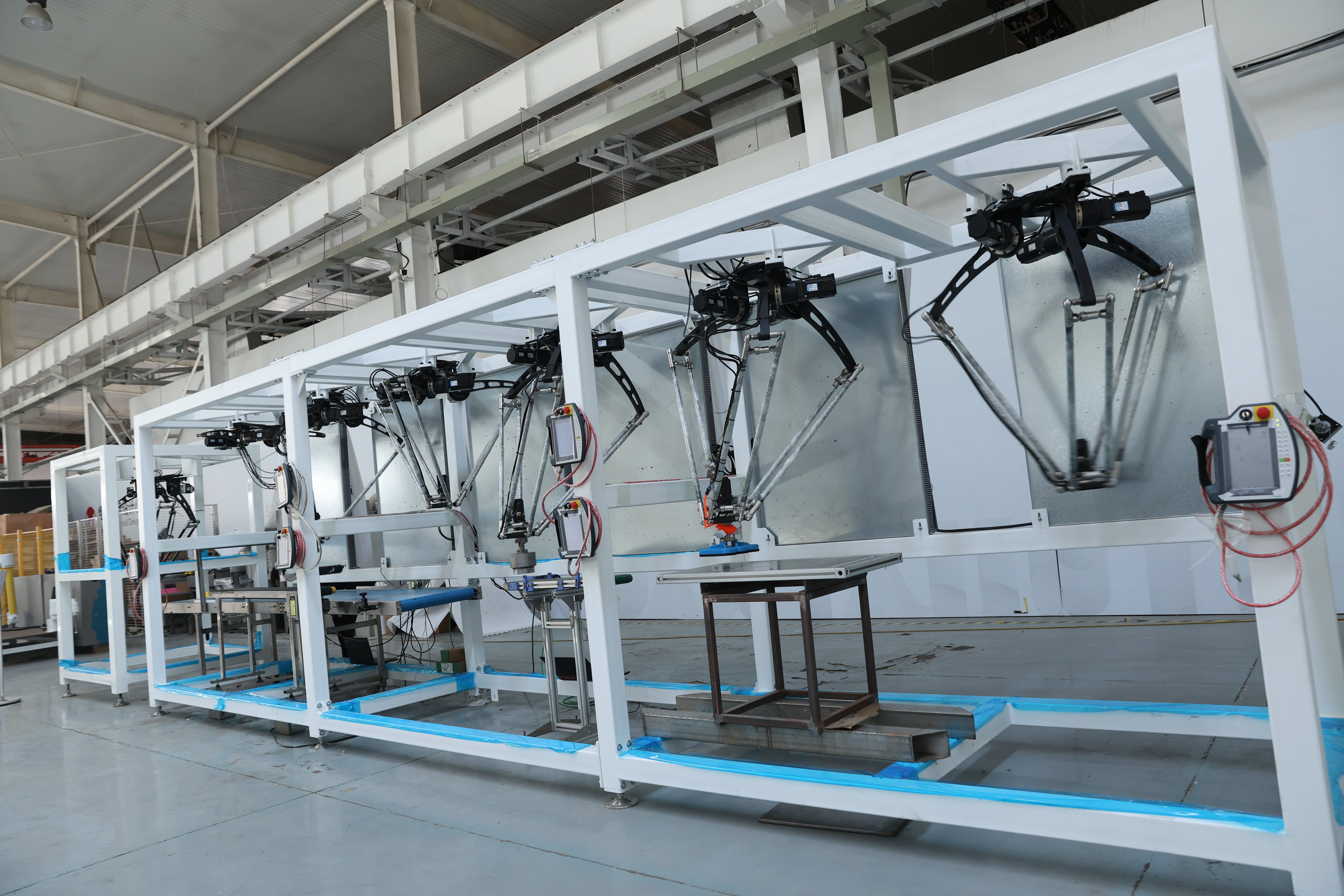
Delta Robot Cost: High-Speed Automation Solution

Get a Free Quote

Our representative will contact you soon.
Email
Name
Company Name
Message
0/1000

delta robot cost

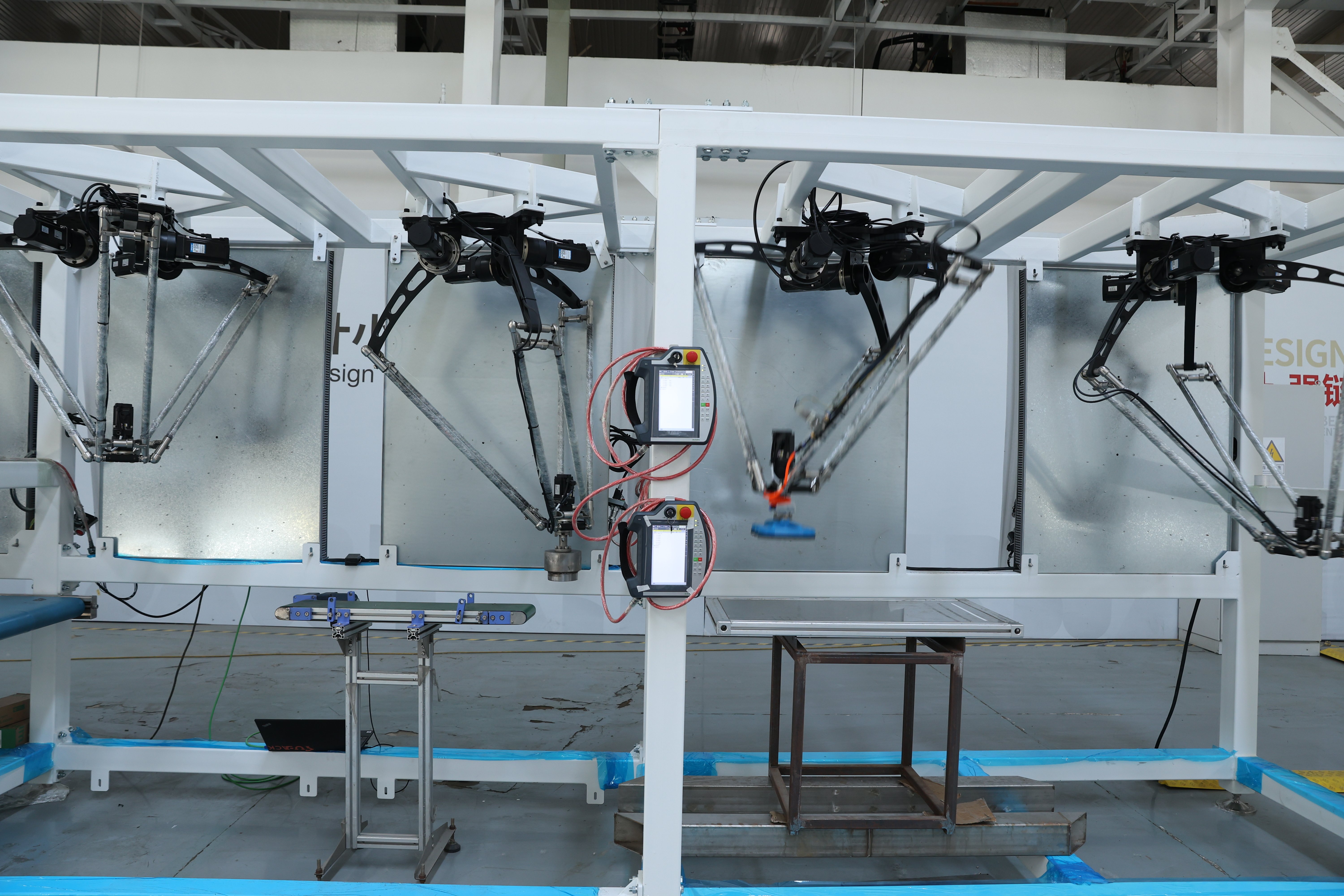
Delta robot cost represents a significant investment in industrial automation technology that delivers exceptional value for manufacturers seeking precision and speed. A delta robot is a parallel robot architecture featuring three arms connected to a common platform, enabling rapid pick-and-place operations with remarkable accuracy. Understanding delta robot cost involves evaluating both the initial purchase price and long-term operational benefits. The primary function of a delta robot cost structure centers on high-speed material handling, packaging, and assembly tasks in manufacturing environments. These robots excel at repetitive precision work, making them ideal for food processing, pharmaceutical packaging, and electronics assembly industries. The technological features that influence delta robot cost include advanced servo motors, sophisticated control systems, and precision ball screws that enable speeds up to 300 cycles per minute. Delta robots operate within a confined workspace, typically featuring a cone-shaped work envelope that maximizes accessibility while maintaining compact footprints. The delta robot cost reflects cutting-edge technology incorporating real-time vision systems, intuitive programming interfaces, and seamless integration capabilities with existing production lines. Applications spanning from confectionery sorting to component assembly demonstrate the versatility driving delta robot cost considerations across diverse sectors. When analyzing delta robot cost, manufacturers must consider payload capacity, reach distance, and acceleration capabilities. Modern delta robots deliver precision within 0.03mm tolerances, justifying investment through improved product quality and reduced waste. The total delta robot cost encompasses equipment, installation, training, and maintenance services essential for optimal performance and return on investment in automated manufacturing solutions.
Popular Products

Investing in delta robot cost analysis reveals multiple practical benefits that extend far beyond initial equipment expenses. The primary advantage lies in dramatically increased production throughput. Delta robots complete thousands of pick-and-place cycles daily, far exceeding human worker capabilities while maintaining consistent precision. This acceleration translates directly into improved profitability and competitive market positioning. Operational benefits of delta robot cost investments include significant labor cost reductions. By automating repetitive tasks, manufacturers redirect human workers toward higher-value activities requiring creativity and problem-solving. Additionally, delta robots eliminate fatigue-related errors and safety hazards associated with manual material handling, creating safer work environments while boosting overall productivity metrics. Another substantial advantage involves product quality consistency. Delta robot cost investments guarantee uniform handling standards, reducing defects and customer returns. Manufacturing precision becomes predictable and maintainable across production shifts, seasons, and years of continuous operation. Decision-useful context for delta robot cost includes rapid payback periods, typically ranging from twelve to thirty-six months depending on application complexity. Maintenance requirements remain minimal compared to alternative automation technologies, reducing ongoing operational expenses. The scalability of delta robot systems allows businesses to expand automation gradually as demands grow, spreading capital investments efficiently. Flexibility represents another compelling advantage when evaluating delta robot cost. Modern systems accept quick changeovers between product variants, enabling manufacturers to serve diverse customer requirements without extensive retooling. Integration with existing conveyor systems and production workflows happens seamlessly, minimizing disruption during implementation phases and accelerating time-to-productivity for your automation investment.

Practical Tips

Common Customer Q&A

20

Jan

Common Customer Q&A

View More
Global Collaboration, Shared Growth

20

Jan

Global Collaboration, Shared Growth

View More
Comprehensive After-Sales Service System for Peace

20

Jan

Comprehensive After-Sales Service System for Peace

View More

Get a Free Quote

Our representative will contact you soon.
Email
Name
Company Name
Message
0/1000

delta robot cost

Exceptional Speed and Precision Performance

Exceptional Speed and Precision Performance

Delta robot cost investments deliver unmatched speed combined with extraordinary precision levels. These systems execute complex movements at velocities reaching 300 cycles per minute while maintaining positional accuracy within 0.03mm tolerances. The delta robot cost reflects advanced servo technology and sophisticated algorithms enabling such performance simultaneously. Speed advantages translate into dramatically increased production volumes, allowing manufacturers to process significantly more items daily without requiring proportional labor increases. Precision benefits eliminate product defects caused by inconsistent handling, reducing waste and improving profitability. The delta robot cost proves justified through measurable quality improvements and yield enhancements evident within initial production months. Industries from pharmaceutical packaging to delicate confectionery sorting benefit tremendously from this combination of speed and accuracy.
Cost-Effective Long-Term Investment Strategy

Cost-Effective Long-Term Investment Strategy

Understanding delta robot cost requires examining total cost of ownership rather than purchase price alone. While initial capital investment appears substantial, the delta robot cost amortizes quickly through operational efficiencies and labor savings. Maintenance expenses remain remarkably low compared to alternative automation technologies, requiring minimal preventive servicing and component replacements. The delta robot cost model incorporates extended equipment lifespan, typically exceeding 10-15 years of productive service. Energy consumption proves efficient relative to output volumes achieved, further reducing operational expenses. Payback periods frequently range from 18-36 months depending on application specifics and production scale. The delta robot cost framework includes scalability options allowing incremental investment expansion, protecting initial capital while enabling growth alignment with business demands and market opportunities.
Versatile Application Adaptability and Integration

Versatile Application Adaptability and Integration

The delta robot cost implementation spans remarkably diverse industries and applications. From food and beverage processing to pharmaceutical packaging and electronics assembly, these systems prove invaluable across sectors. The delta robot cost reflects flexible programming architecture supporting rapid changeovers between product types and production specifications. Integration capabilities seamlessly connect with existing manufacturing infrastructure, conveyor systems, and quality control equipment. Vision systems commonly paired with delta robots enhance picking accuracy and enable complex sorting operations impossible manually. The delta robot cost justifies investment through adaptability addressing evolving business requirements without requiring complete system replacement. Manufacturers gain competitive advantages through production flexibility while maintaining stringent quality standards and safety protocols throughout operations.

Get a Free Quote

Our representative will contact you soon.
Email
Name
Company Name
Message
0/1000