automated manufacturing line
An automated manufacturing line represents a sophisticated system designed to streamline production processes with minimal human intervention. This advanced automated manufacturing line integrates multiple technologies to enhance output efficiency while maintaining consistent quality standards across all production stages.
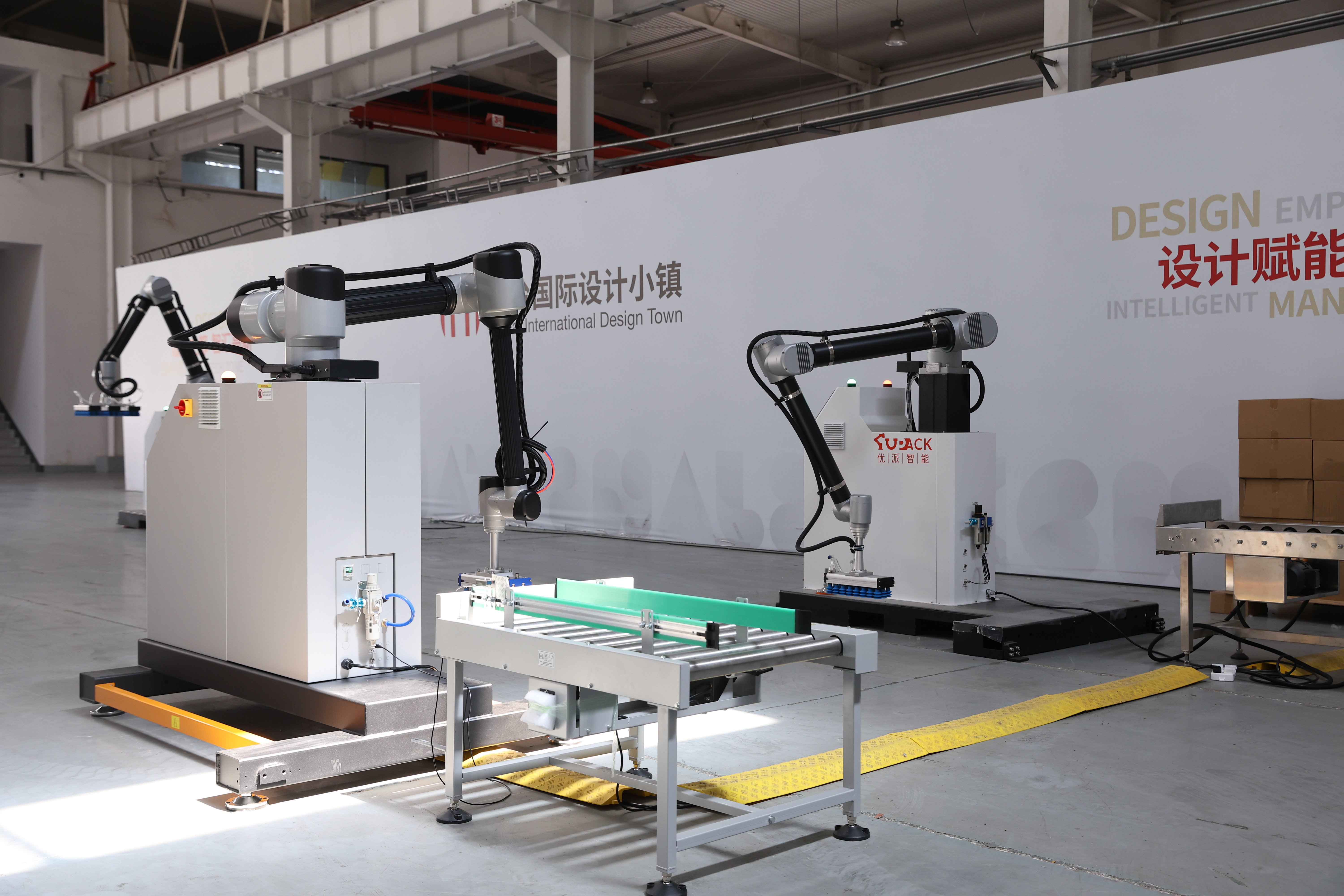
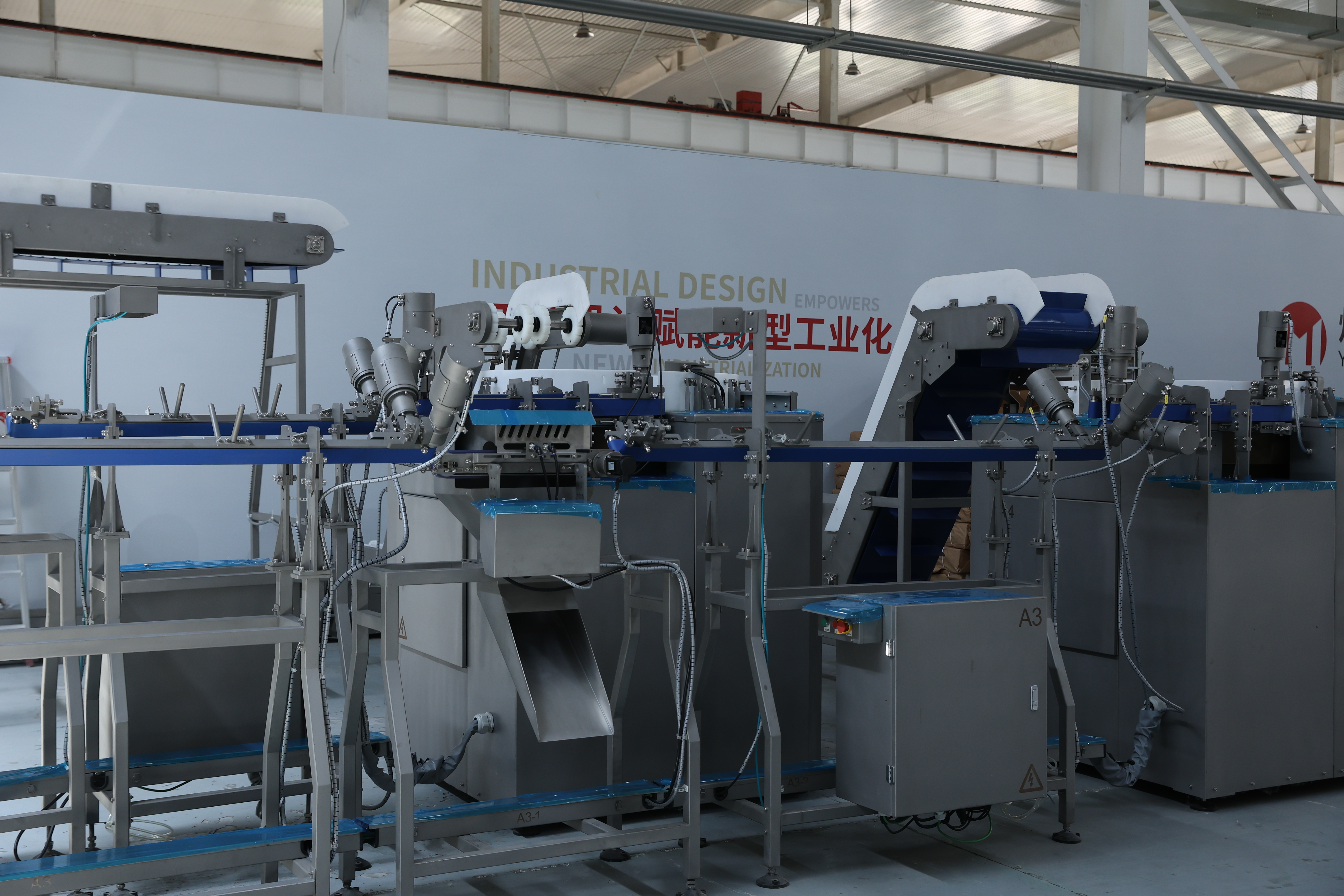
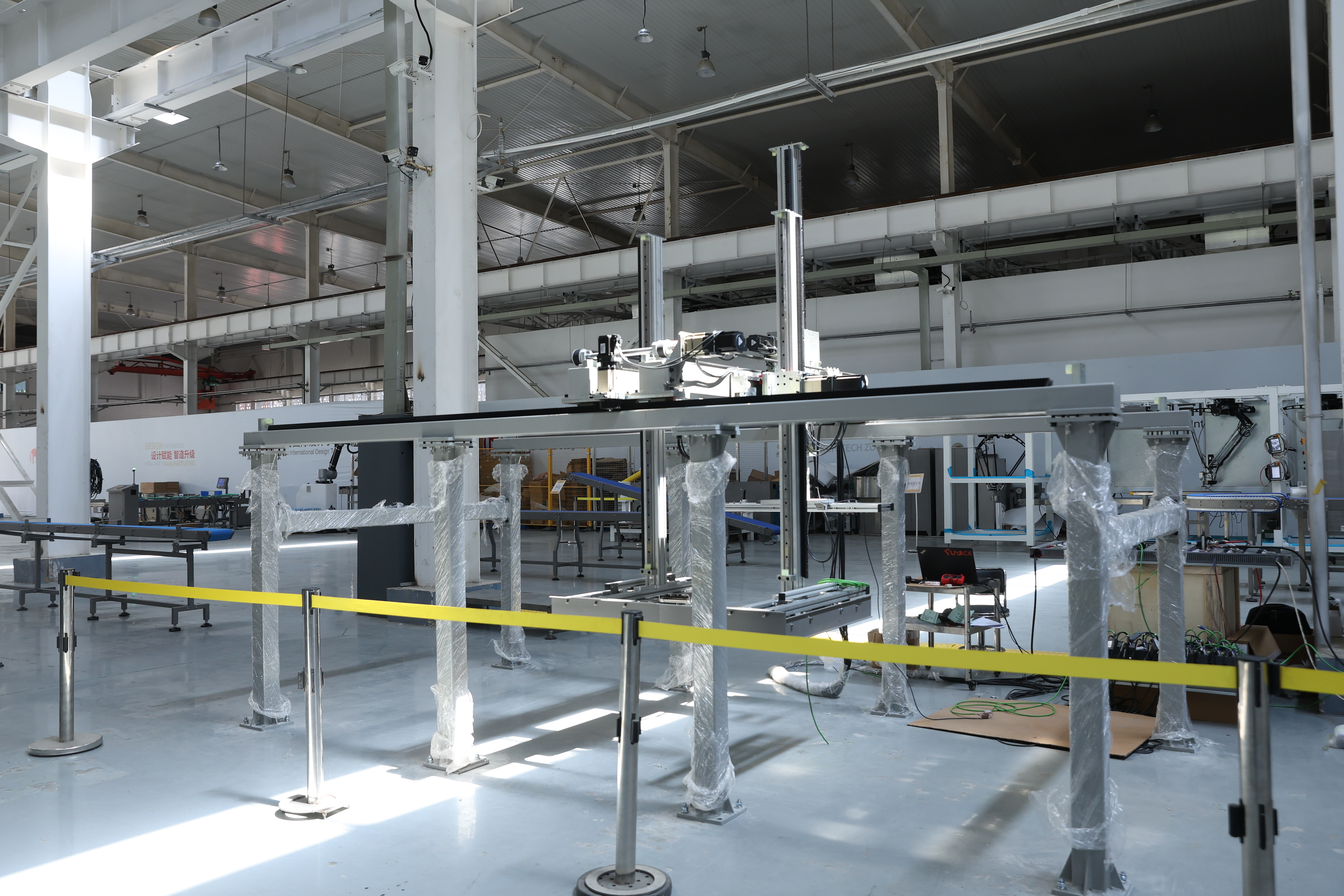
The primary function of an automated manufacturing line is to execute repetitive tasks with precision and speed that surpass manual operations. An automated manufacturing line typically incorporates robotics, conveyor systems, and intelligent control mechanisms that work cohesively to transform raw materials into finished products. The technological features embedded within an automated manufacturing line include programmable logic controllers, real-time monitoring sensors, and machine vision systems that ensure accurate product placement and quality verification.
Key applications for an automated manufacturing line span across numerous industries, including automotive, electronics, pharmaceuticals, food and beverage, and consumer goods manufacturing. Organizations implement an automated manufacturing line to reduce production costs, accelerate time-to-market, and minimize human error. The system's versatility allows it to handle diverse production volumes, from small-batch customized items to high-volume mass production runs.
Technologically, an automated manufacturing line employs advanced software integration that enables seamless communication between different workstations and equipment. Predictive maintenance systems monitor component performance, identifying potential issues before they cause operational disruptions. The scalability of an automated manufacturing line allows manufacturers to expand production capacity without proportional increases in labor costs, making it an increasingly attractive investment for businesses seeking competitive advantages in modern markets.

 EN


