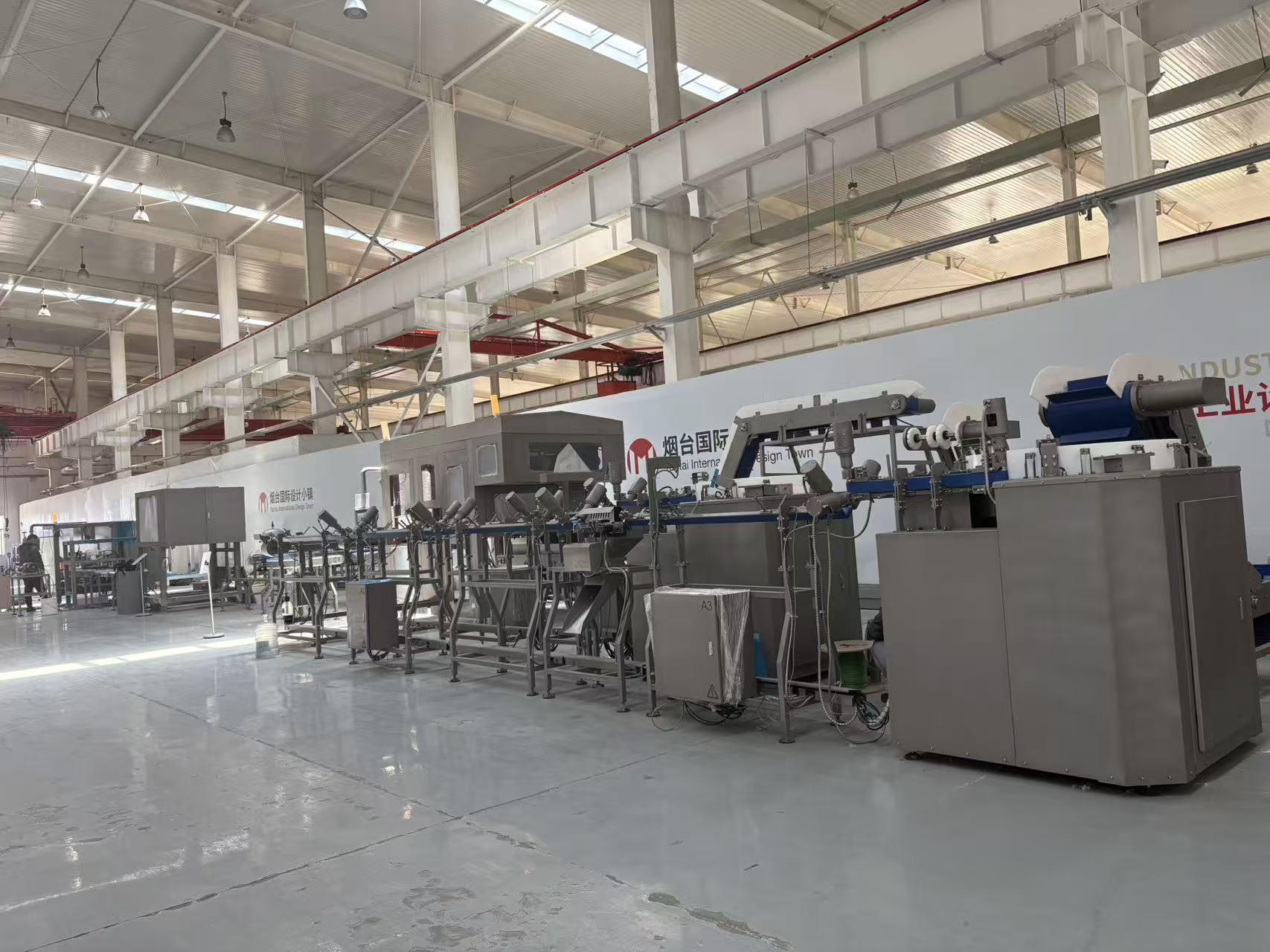
Robotic Feeding System | Automated Precision

Get a Free Quote

Our representative will contact you soon.
Email
Name
Company Name
Message
0/1000

robotic feeding system

A robotic feeding system represents an innovative technological solution designed to automate the feeding process across various industrial and agricultural settings. This advanced robotic feeding system integrates cutting-edge automation technology with precision engineering to deliver consistent, reliable performance. The primary functions of a robotic feeding system include material handling, portion control, distribution accuracy, and continuous operation without human intervention. The technological features of a robotic feeding system encompass sophisticated sensors, programmable logic controllers, and adaptive algorithms that enable real-time adjustments. These components work together seamlessly, allowing the robotic feeding system to detect material characteristics, calculate optimal feeding rates, and maintain precise delivery schedules. The system utilizes computer vision technology and artificial intelligence to optimize performance continuously. Applications of a robotic feeding system span multiple industries, including livestock management, aquaculture, food processing, manufacturing, and pharmaceutical production. In agricultural settings, a robotic feeding system revolutionizes daily operations by delivering customized nutrition to animals based on individual requirements. Manufacturing environments benefit from the robotic feeding system's ability to consistently supply materials to production lines at predetermined intervals. The robotic feeding system enhances efficiency, reduces labor costs, and minimizes human error while maintaining superior quality standards across all operational contexts.
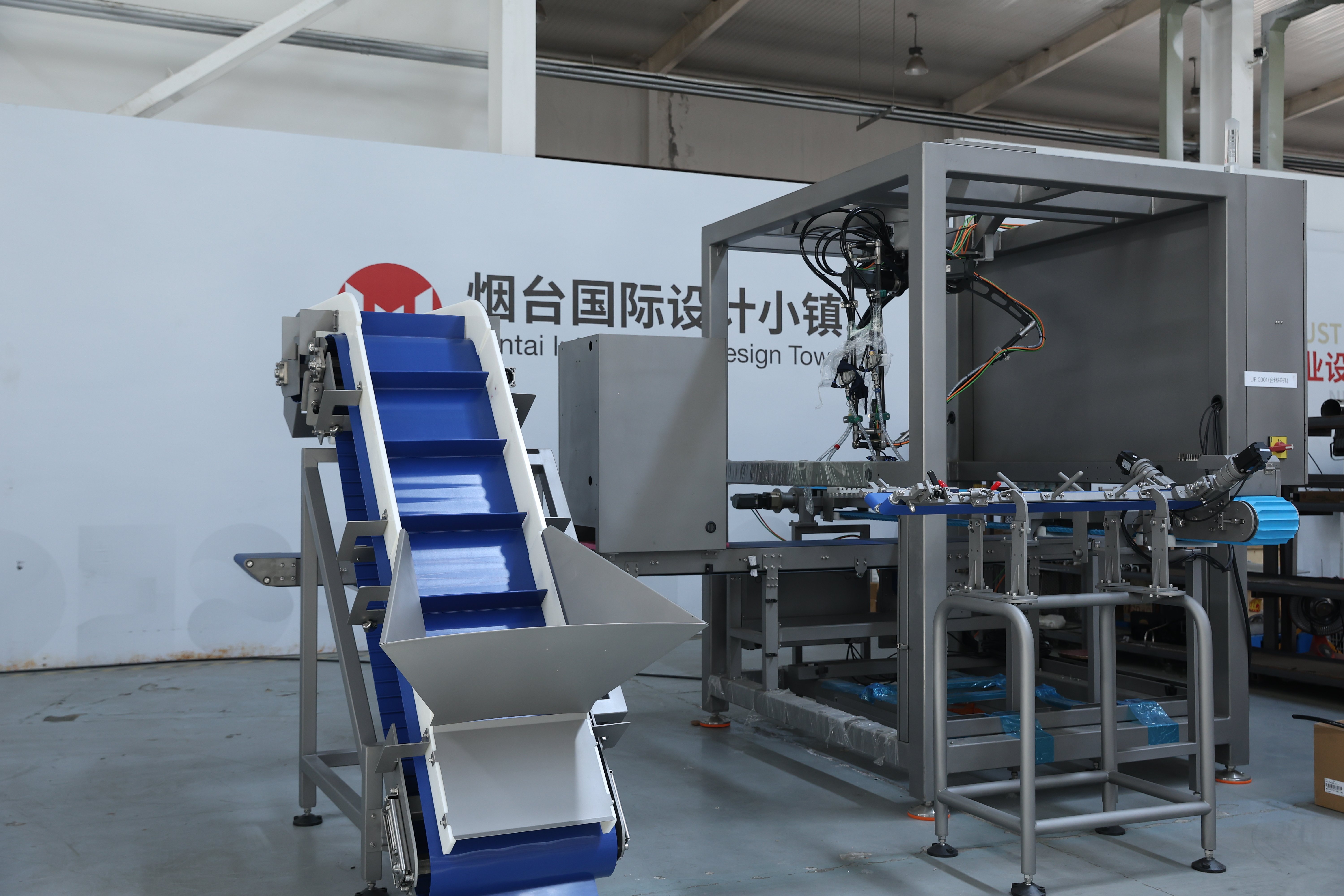
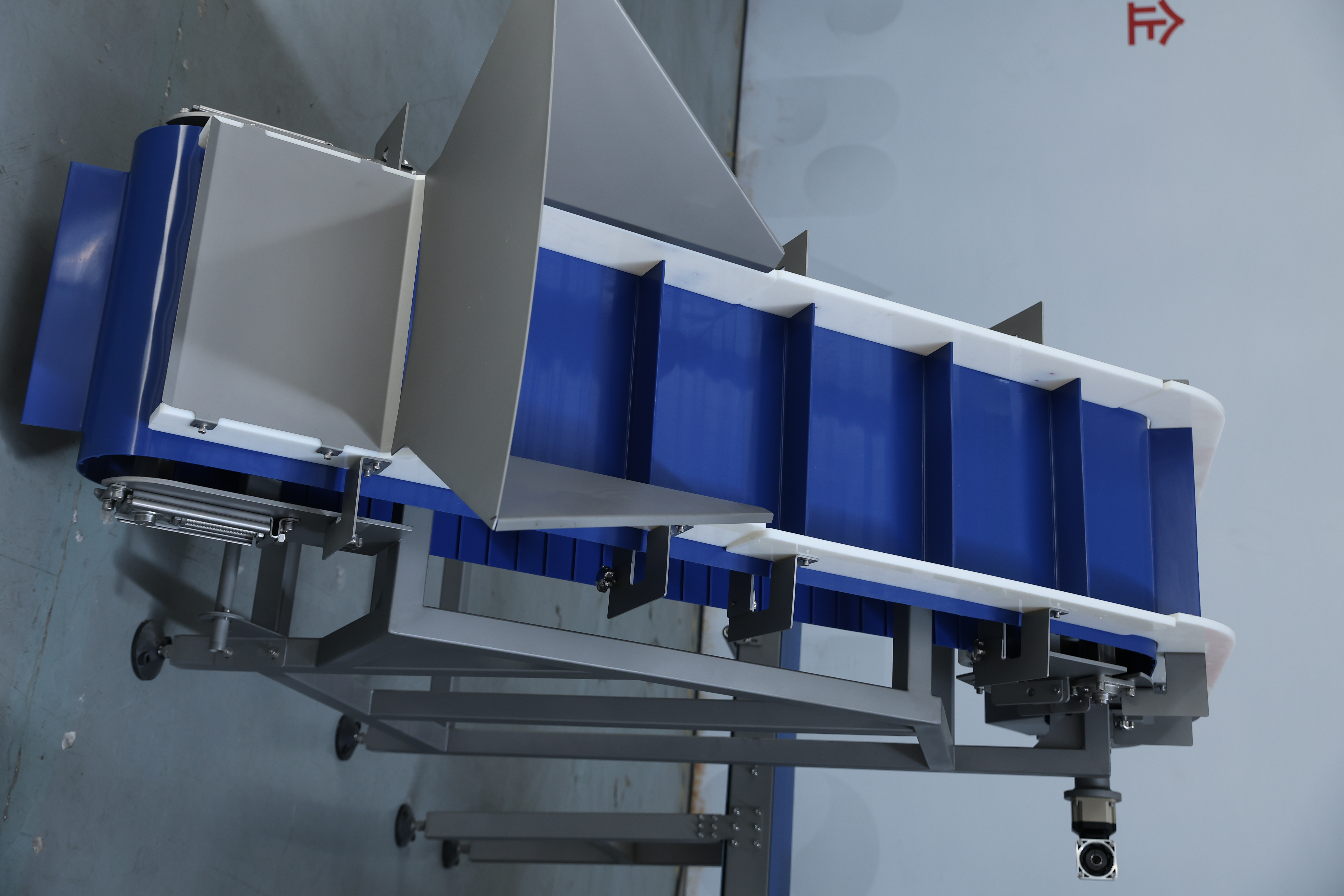
New Products

The robotic feeding system delivers substantial practical benefits that directly improve your operational efficiency and bottom line. By automating the feeding process, a robotic feeding system eliminates repetitive manual labor, allowing your team to focus on higher-value tasks that require human expertise and decision-making capabilities. Operational benefits of investing in a robotic feeding system are immediately apparent. The system operates continuously without fatigue, maintaining consistent feeding schedules around the clock. This reliability ensures optimal nutrition delivery, improved animal health outcomes, or precise material supply to production lines. A robotic feeding system reduces waste by calculating exact portion sizes, eliminating overfeeding and material spillage that drain resources. Cost savings represent another critical advantage of a robotic feeding system. Labor expenses decrease significantly as the need for manual feeding staff diminishes. A robotic feeding system reduces product waste through precise portion control, directly improving profit margins. Downtime decreases because the robotic feeding system operates reliably without requiring frequent breaks or maintenance interventions. For livestock and aquaculture operations, a robotic feeding system enhances animal welfare by providing regular, nutritionally balanced meals at optimal times. Animals develop predictable feeding routines, reducing stress and promoting healthier growth. In manufacturing environments, a robotic feeding system ensures consistent material supply to production lines, preventing bottlenecks and maintaining output targets. The robotic feeding system also provides scalability benefits. As your operation grows, the system adapts to increased demand without proportional increases in labor costs. Implementation of a robotic feeding system positions your facility as modern and efficient, improving your competitive standing in the marketplace.

Practical Tips

Common Customer Q&A

20

Jan

Common Customer Q&A

View More
Global Collaboration, Shared Growth

20

Jan

Global Collaboration, Shared Growth

View More
Comprehensive After-Sales Service System for Peace

20

Jan

Comprehensive After-Sales Service System for Peace

View More

Get a Free Quote

Our representative will contact you soon.
Email
Name
Company Name
Message
0/1000

robotic feeding system

Precision Feeding Control and Accuracy

Precision Feeding Control and Accuracy

The robotic feeding system delivers exceptional precision in portion control and distribution, ensuring every feeding cycle meets exact specifications. This accuracy prevents overfeeding and underfeeding, critical factors in livestock health and production efficiency. Advanced sensors integrated throughout the robotic feeding system monitor material characteristics, weight distribution, and feeding patterns in real-time. The system automatically adjusts feeding rates based on detected variables, optimizing nutrition delivery for each animal or production requirement. This precision capability of a robotic feeding system significantly reduces feed waste, translating directly to improved profitability. In aquaculture operations, the robotic feeding system's accuracy prevents uneaten feed from degrading water quality. For manufacturing applications, precise material feeding from the robotic feeding system prevents equipment jams and production interruptions. The precision engineering ensures consistent results daily, building reliability into your operations.
24/7 Continuous Operation and Reliability

24/7 Continuous Operation and Reliability

Unlike manual feeding requiring human presence multiple times daily, a robotic feeding system operates continuously throughout the day and night without interruption. This around-the-clock capability means animals receive consistent feeding schedules that support optimal health and productivity. The robotic feeding system maintains predetermined feeding times automatically, improving animal welfare through routine and predictability. In production environments, the robotic feeding system ensures materials reach processing equipment exactly when needed, preventing costly production delays. The system's reliability eliminates scheduling conflicts and human errors associated with manual operations. A robotic feeding system reduces operational stress by removing dependency on staff availability or scheduling constraints. The continuous operation of a robotic feeding system enables facilities to maximize output potential without increasing personnel. Equipment downtime decreases substantially because the robotic feeding system performs diagnostics automatically and alerts operators to potential issues before failures occur. This proactive maintenance approach keeps your operations running smoothly and efficiently.
Intelligent Automation and Cost Efficiency

Intelligent Automation and Cost Efficiency

A robotic feeding system incorporates intelligent automation features that learn and adapt to your specific operational requirements over time. The system uses data analytics to optimize feeding schedules, adjusting patterns based on historical performance and real-time conditions. This intelligent capability of a robotic feeding system minimizes labor requirements significantly, reducing your payroll expenses while maintaining service quality. The robotic feeding system calculates optimal feeding quantities, preventing waste that erodes profitability in any operation. Energy-efficient motors and smart scheduling ensure the robotic feeding system operates economically without excessive power consumption. Implementation of a robotic feeding system provides rapid return on investment through combined savings in labor, material waste, and improved productivity. The system's automation reduces human error, improving consistency and quality outcomes. A robotic feeding system scales efficiently as your operation expands, providing proportional benefits without linear cost increases. The intelligent design of a robotic feeding system enables customization for different material types, animal species, or production requirements.

Get a Free Quote

Our representative will contact you soon.
Email
Name
Company Name
Message
0/1000