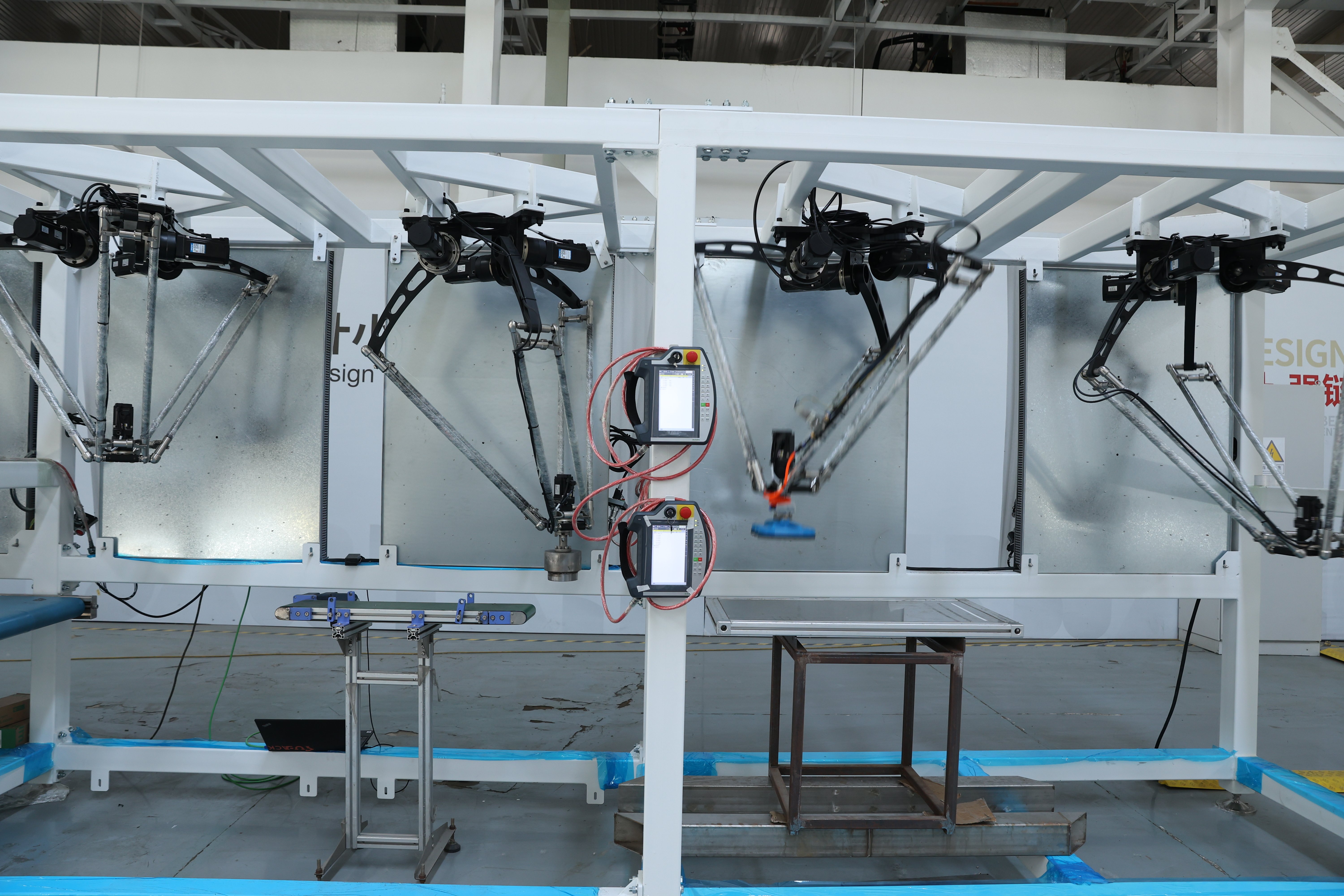
End of Line Automation Solutions

Get a Free Quote

Our representative will contact you soon.
Email
Name
Company Name
Message
0/1000

end of line automation

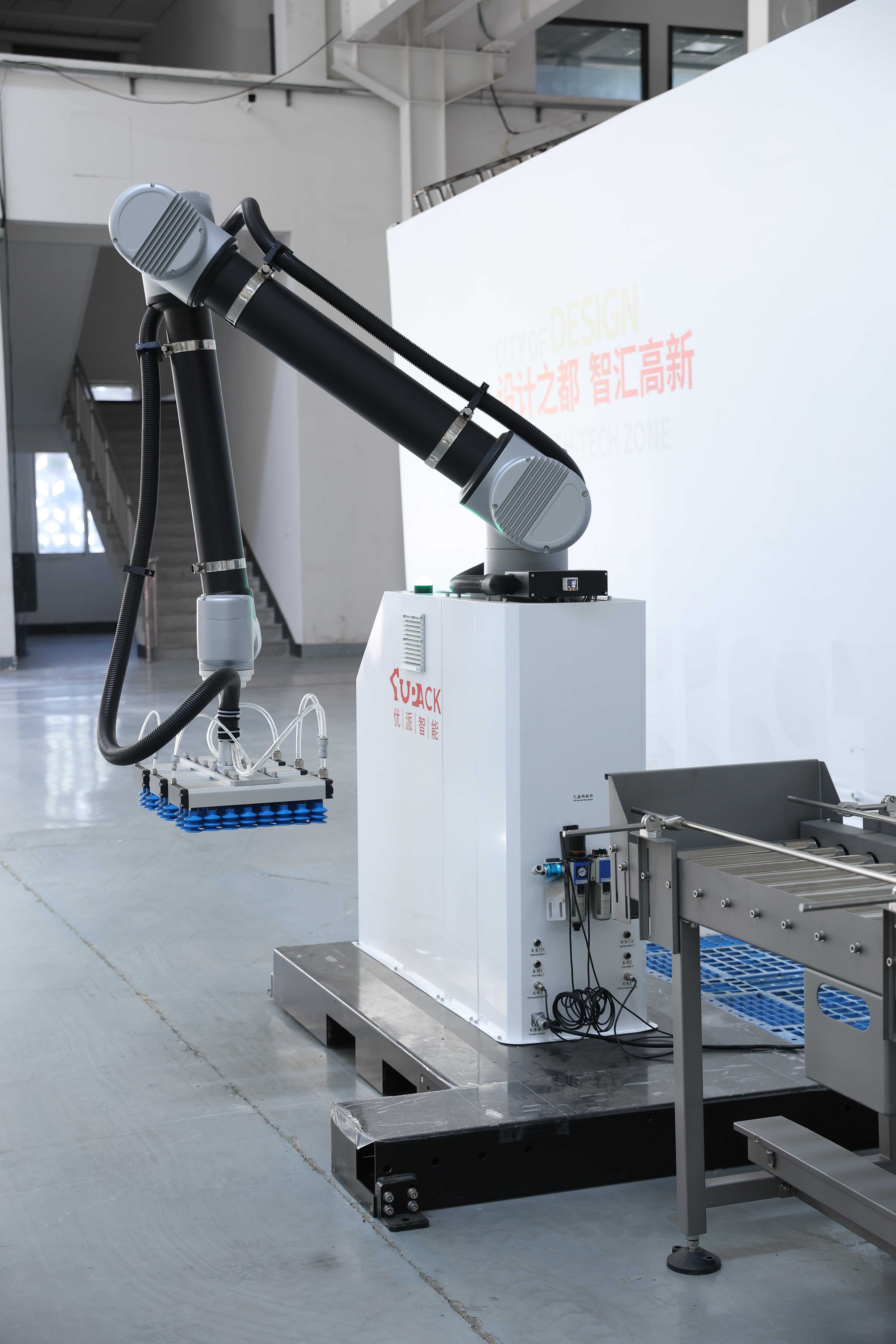
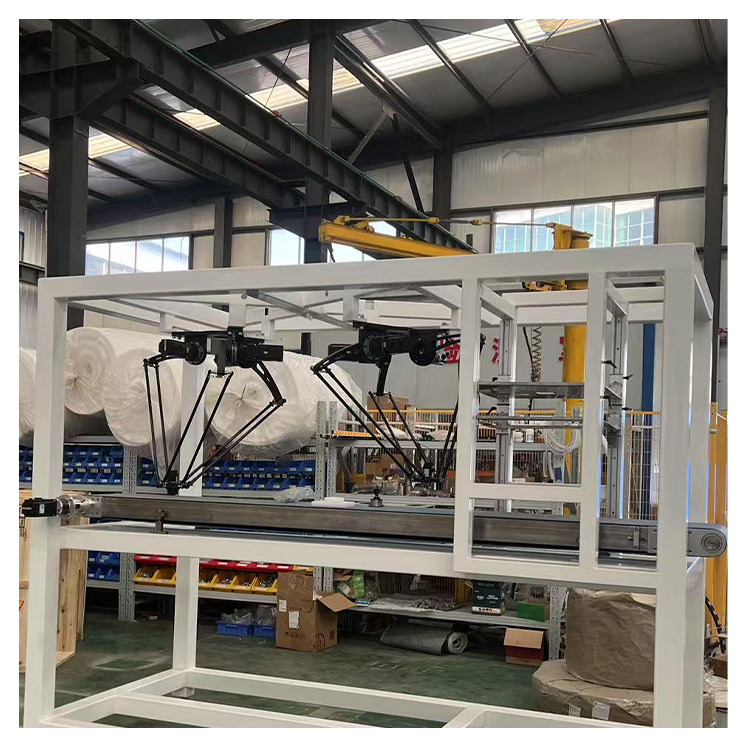
End of line automation represents a sophisticated manufacturing solution designed to streamline the final stages of production. This technology encompasses inspection, testing, packaging, and quality verification processes that occur after primary manufacturing. End of line automation systems integrate advanced sensors, robotics, and control systems to ensure products meet quality standards before distribution. The primary functions of end of line automation include automated inspection, which detects defects and inconsistencies; precise packaging that protects products during transit; labeling and coding for traceability; and comprehensive testing to validate functionality. Modern end of line automation solutions utilize computer vision technology, artificial intelligence, and real-time data analytics to maintain consistent quality across production runs. Key technological features include vision systems that capture and analyze product images, robotic arms for material handling, conveyor systems for continuous flow, and integrated software platforms for monitoring and reporting. End of line automation systems communicate with enterprise resource planning systems, enabling seamless data integration and production tracking. Applications span diverse industries, including pharmaceutical packaging, food and beverage bottling, automotive component assembly, consumer electronics, and medical device manufacturing. End of line automation improves efficiency by reducing manual labor, minimizing human error, and accelerating throughput. The technology proves particularly valuable in regulated industries requiring documented compliance and traceability throughout the manufacturing process.
New Product Recommendations

End of line automation delivers substantial operational improvements for manufacturing facilities seeking competitive advantages. The most significant benefit involves enhanced product quality consistency, as automated systems perform repetitive inspection and testing tasks with precision that exceeds human capability. This eliminates variability and reduces defects reaching customers, strengthening brand reputation and customer satisfaction. Cost reduction represents another compelling advantage of end of line automation. By automating labor-intensive final production stages, manufacturers reduce personnel requirements while simultaneously increasing output capacity. The system operates continuously without fatigue, breaks, or quality fluctuations, translating to lower cost-per-unit production metrics and improved profit margins. End of line automation accelerates production throughput significantly. Automated systems process products faster than manual methods, enabling manufacturers to meet growing demand without proportional workforce expansion. This scalability proves essential for businesses experiencing seasonal fluctuations or rapidly increasing order volumes. Traceability and compliance become substantially easier with end of line automation implementation. Integrated data collection systems document every product movement, quality check, and packaging step, creating comprehensive audit trails required by regulatory bodies. This documentation capability simplifies compliance procedures and reduces associated administrative burdens. Risk mitigation occurs through reduced human error in critical processes. Manual quality inspections introduce subjective judgments and inconsistencies; end of line automation eliminates these variables through objective, repeatable measurement standards. Additionally, automated systems reduce workplace injuries by removing operators from hazardous manufacturing environments. Flexibility represents an underrated advantage. Modern end of line automation systems accommodate product variations and format changes through quick reconfiguration, enabling manufacturers to efficiently serve multiple customer requirements without extensive downtime or retooling investments.

Practical Tips

Common Customer Q&A

20

Jan

Common Customer Q&A

View More
Global Collaboration, Shared Growth

20

Jan

Global Collaboration, Shared Growth

View More
Comprehensive After-Sales Service System for Peace

20

Jan

Comprehensive After-Sales Service System for Peace

View More

Get a Free Quote

Our representative will contact you soon.
Email
Name
Company Name
Message
0/1000

end of line automation

Precision Quality Verification Through Advanced Vision Systems

Precision Quality Verification Through Advanced Vision Systems

End of line automation incorporates sophisticated computer vision technology that inspects every product with microscopic precision. These systems identify defects invisible to human inspectors, including surface imperfections, dimensional inconsistencies, and color variations. The vision-based end of line automation captures millions of data points per second, establishing quality baselines and flagging anomalies immediately. This technology proves invaluable in industries like pharmaceuticals and electronics, where minimal defects impact safety and functionality. Real-time defect detection prevents non-conforming products from reaching customers, protecting brand reputation and reducing costly recalls. The systems learn continuously through artificial intelligence algorithms, becoming more accurate as production volumes increase. By implementing advanced vision in end of line automation processes, manufacturers achieve quality levels impossible through manual inspection, while simultaneously generating comprehensive quality documentation for regulatory compliance and customer confidence.
Seamless Integration with Production Systems and Data Analytics

Seamless Integration with Production Systems and Data Analytics

Modern end of line automation solutions connect directly with manufacturing execution systems and enterprise resource planning platforms, creating unified production ecosystems. This integration enables real-time production monitoring, predictive maintenance alerts, and comprehensive data analytics that identify optimization opportunities. End of line automation systems collect extensive operational data including cycle times, defect rates, equipment performance, and throughput metrics. Manufacturers access this information through user-friendly dashboards displaying key performance indicators and trend analysis. Advanced analytics capabilities within end of line automation reveal production bottlenecks, predict quality issues before they occur, and suggest process improvements based on historical data patterns. This data-driven approach transforms production management from reactive troubleshooting to proactive optimization. Integration capabilities also facilitate traceability throughout supply chains, enabling manufacturers to track individual products from production through customer delivery, meeting regulatory requirements in highly controlled industries.
Flexible Configuration Supporting Multiple Product Lines and Formats

Flexible Configuration Supporting Multiple Product Lines and Formats

End of line automation systems offer remarkable adaptability, accommodating diverse product types, package sizes, and format variations through rapid configuration changes. Modern equipment features modular designs with interchangeable components, enabling quick transitions between different packaging styles without extended production stops. Manufacturers utilizing end of line automation can efficiently serve multiple customer specifications simultaneously, responding to market demands without significant capital reinvestment. Configuration changes that previously required hours or days now occur within minutes, maximizing equipment utilization rates. This flexibility proves particularly valuable for businesses operating in dynamic markets where product portfolios change frequently. End of line automation's adaptability allows manufacturers to introduce new products quickly, test market variations, and adjust production based on real-time demand signals. The technology eliminates traditional constraints associated with rigid production equipment, enabling manufacturers to remain competitive in fast-paced industries. This responsiveness, combined with end of line automation's efficiency advantages, positions manufacturing facilities to capture emerging market opportunities while maintaining operational excellence across diverse product offerings.

Get a Free Quote

Our representative will contact you soon.
Email
Name
Company Name
Message
0/1000